
Dec. 31, 2025
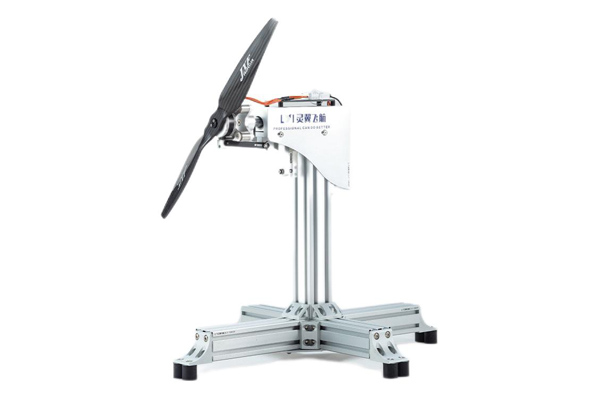
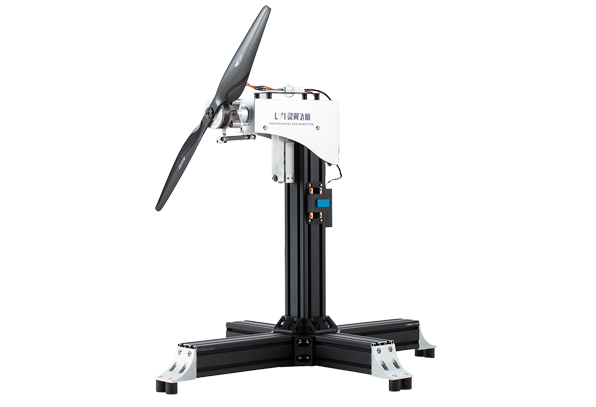
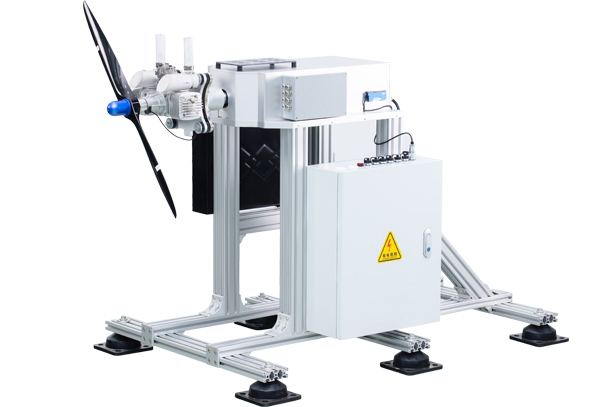
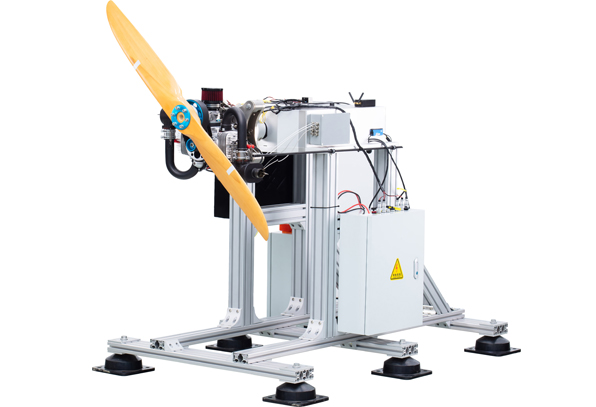
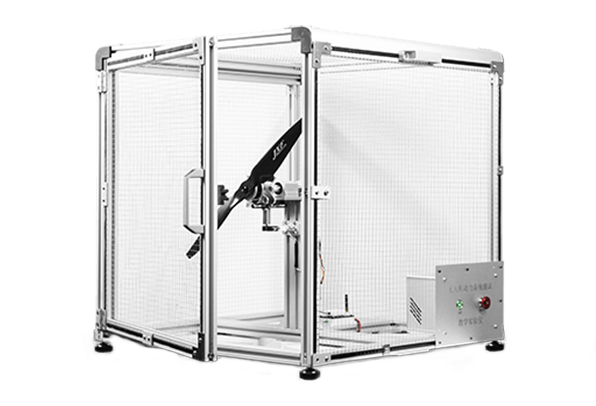
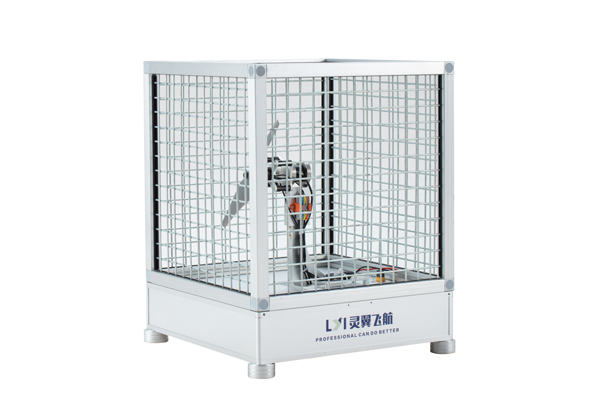
In the realm of UAV motor testing, understanding the distinction between entry-level test benches and production-line automated test benches is essential for manufacturing professionals and engineers alike. Many users ask critical questions, like "What are the differences in efficiency and accuracy?" and "Which option best fits my production volume?" By addressing these pain points, we can provide insights into how the right choice can enhance testing outcomes, ultimately contributing to product reliability and safety. This article will explore UAV motor test parameters, real-life user experiences, and practical selection guidance.
| Feature | Entry-Level Test Bench | Production-Line Automated Test Bench |
|---|---|---|
| Testing Speed | Measured at 40 motors per hour | Measures around 200 motors per hour |
| Cost | $5,000 - $10,000 | $50,000 - $100,000+ |
| Accuracy | ±5% variation | ±0.5% variation |
| User Skill Required | Basic knowledge needed | Advanced programming skills required |
| Data Acquisition | Manual reporting | Real-time analytics and reports |
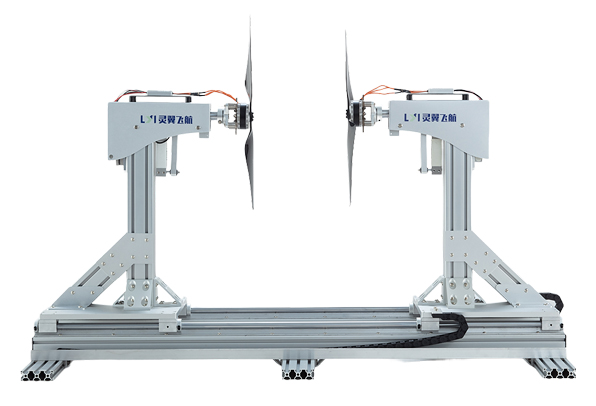
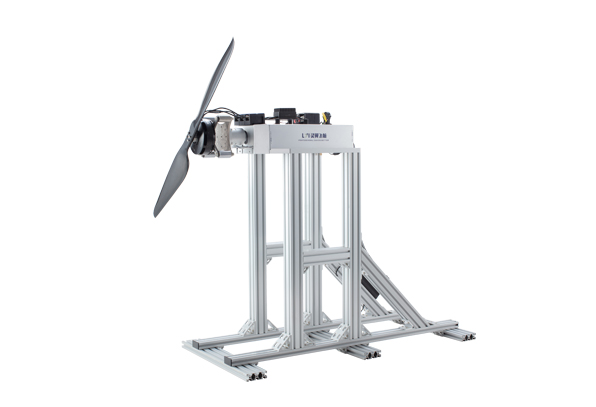
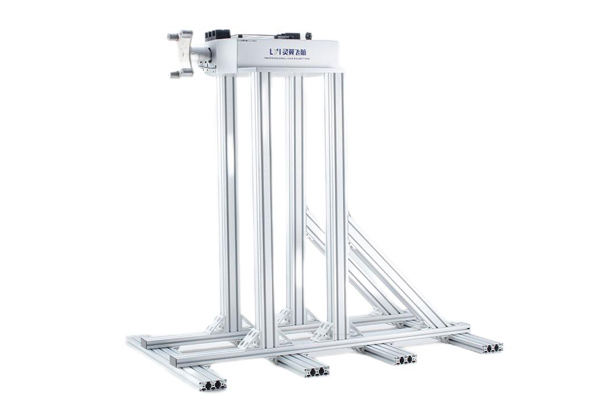
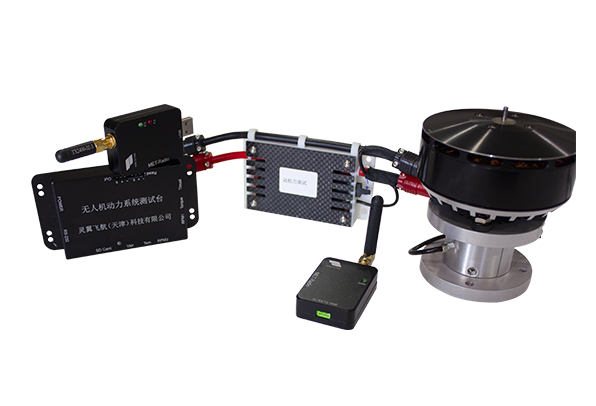
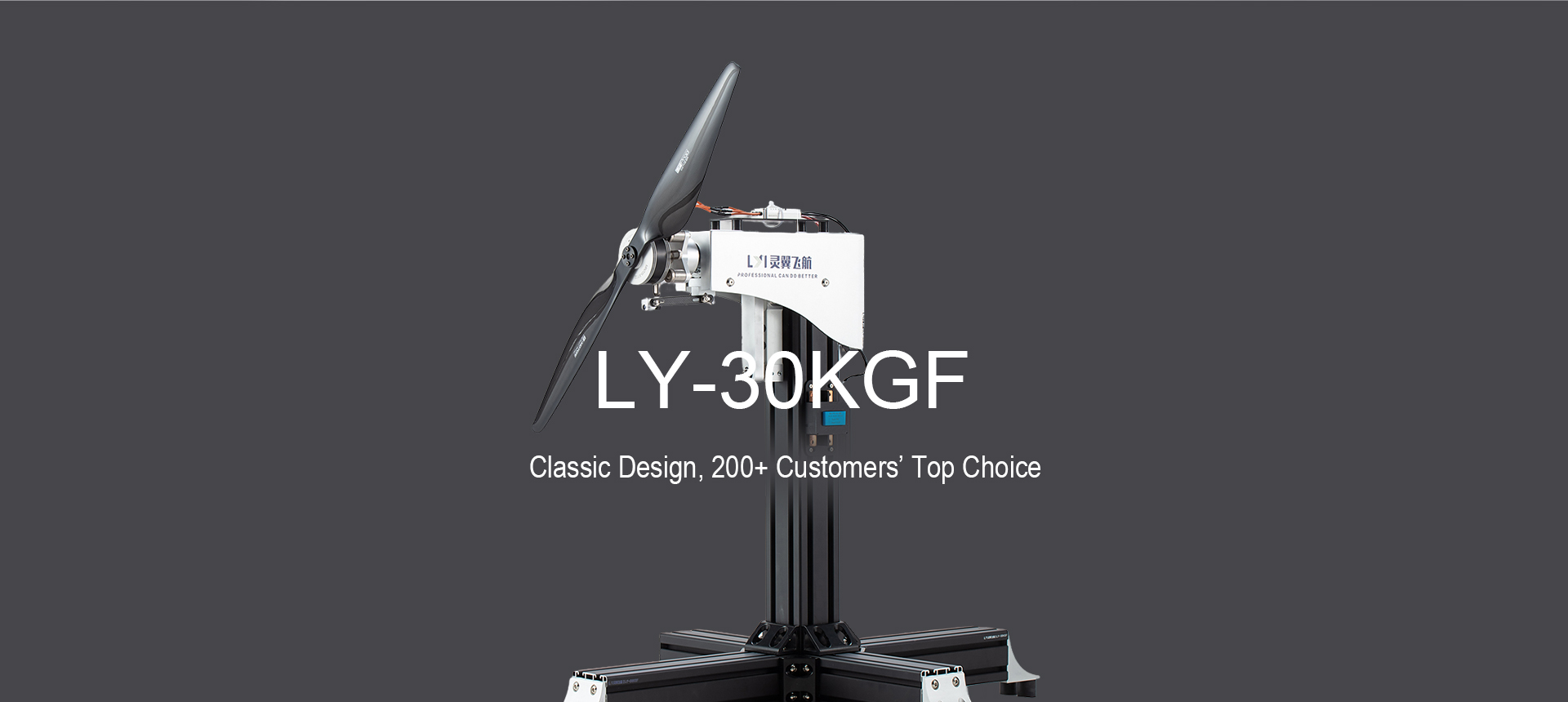
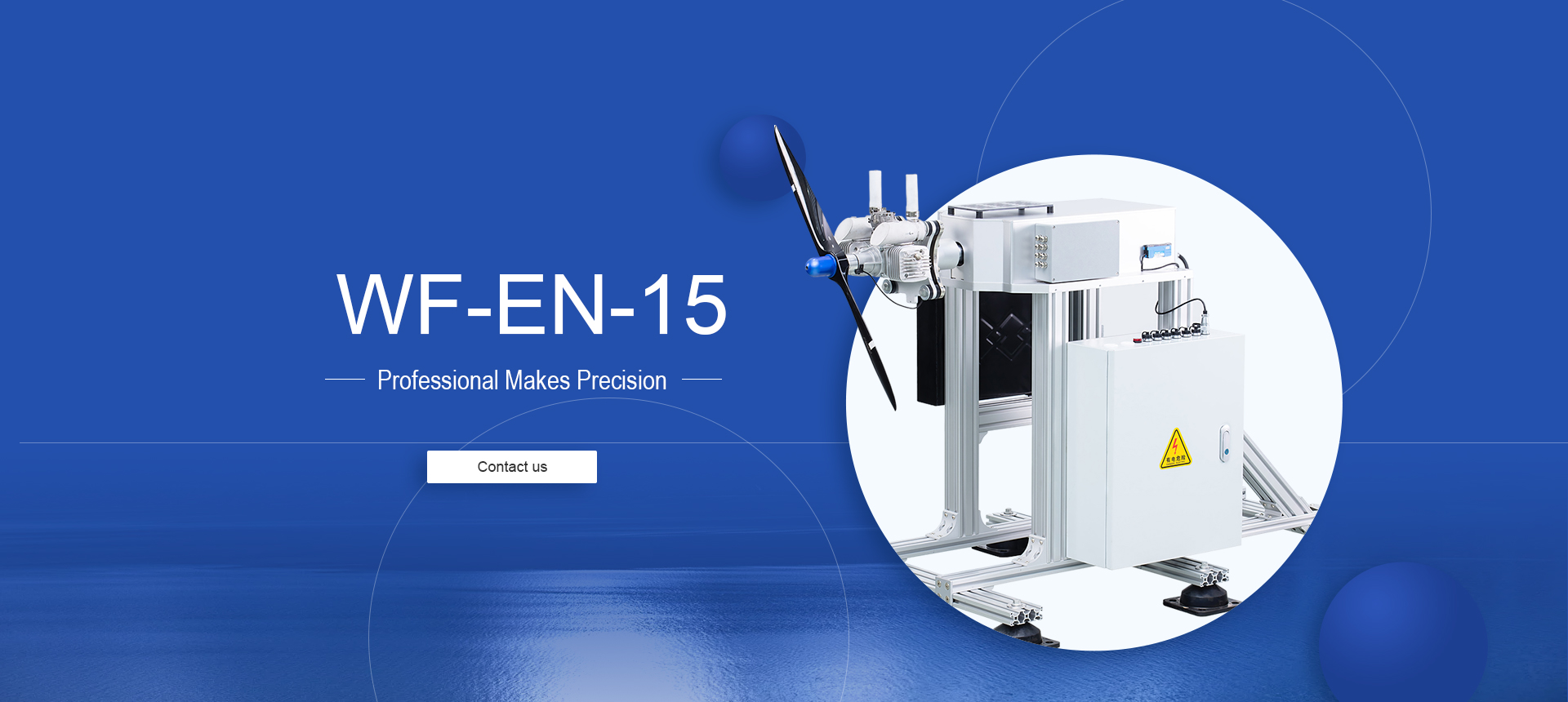
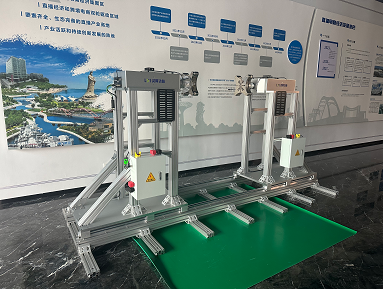
Choosing between an entry-level test bench and a production-line automated test bench largely depends on your manufacturing environment. For companies like Wing Flying, which aims for high efficiency and precision in UAV motor tests, production-line automated test benches are more suitable as they can handle high volumes with minimal error. In contrast, smaller operations or hobbyists may find entry-level options sufficient, particularly when examining fewer units.
While entry-level test benches may seem attractive with their lower price point (ranging from $5,000 to $10,000), users may overlook long-term costs associated with slower testing and increased manual labor. On the other hand, while production-line automated options cost significantly more ($50,000 to $100,000+), they translate to lower per-unit costs when operating at scale, with data showing a reduction in operational costs by up to 30% over time.
Customer reviews highlight stark differences. For example, John, a production manager at a UAV company, shared that switching to a production-line automated test bench increased their throughput from approximately 300 motors per week to over 1,200, significantly impacting their market delivery times. Conversely, many users of entry-level benches found they were frequently serving products back for quality checks due to the ±5% variation in test results, resulting in frustrated yields and wasted resources.
When evaluating your options, consider the following:
If your production is less than 100 motors per day and you have basic testing needs, an entry-level test bench may suffice.
If your operations exceed this number or require higher precision, investing in a production-line automated test bench is advantageous.
Evaluate total cost of ownership (TCO) by factoring in potential efficiency gains, waste reduction, and labor hours saved.
Real customer cases illustrate these suggestions—companies utilizing Wing Flying’s automated solutions noted an increase in testing efficiency by an impressive 45%, alongside enhancements in product quality that led to better customer satisfaction metrics.
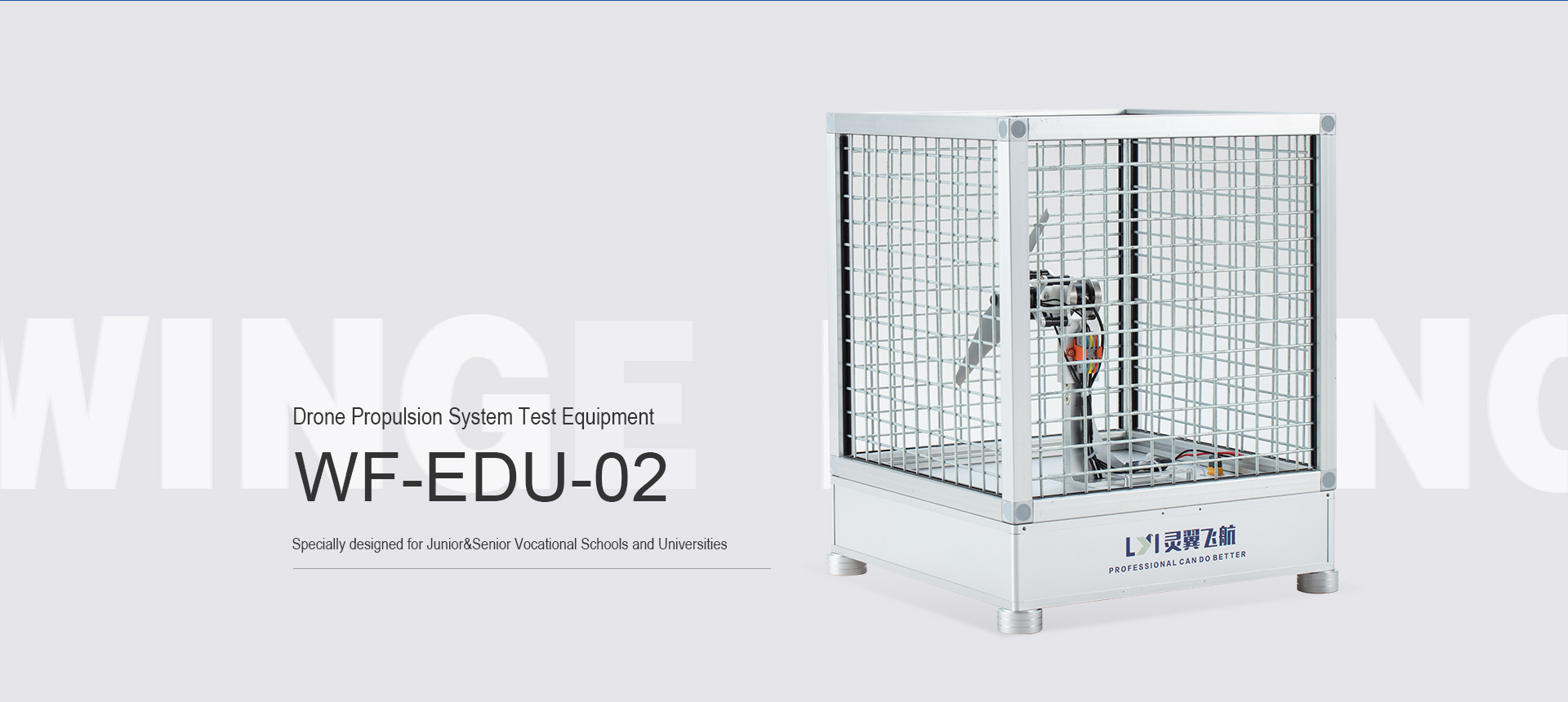
Entry-level test benches are ideal for small operations or educational purposes, where testing volume and accuracy requirements are limited. In contrast, production-line automated test benches are perfect for larger manufacturers focused on quality, reliability, and rapid output. If your goal is to maintain competitive edge and high standards, a smarter investment in automation may be necessary.
To further explore your options, view product details, or schedule a free trial to assess which test bench will enhance your operations. Discover how investing in Wing Flying’s advanced testing solutions can elevate your production capabilities.
What is the lifespan of test benches? Most entry-level options offer about 5-10 years of use, while automated benches can last upwards of 15 years with proper maintenance.
Is training available for new users? Yes, training sessions are often part of the purchase agreements, especially for automated systems.
Can I upgrade from an entry-level to an automated test bench? Yes, many manufacturers offer upgrade paths to facilitate scaling as businesses grow.
E-mail: 18722591228@163.com
Add.: 7th Floor, B2#,Animation Building, Sino-Singapore Tianjin Eco-City