
Mar. 13, 2026
With the acceleration of low-altitude economy development, eVTOL (electric vertical takeoff and landing aircraft) as the core carrier is moving from the laboratory toward commercial deployment. As the "heart" of eVTOL, the performance of the power system directly determines the aircraft's endurance, payload capacity, safety, and airworthiness compliance — from the dynamic fluctuations of rotor thrust to the moment balance of fuselage attitude, every data point needs to be accurately captured.
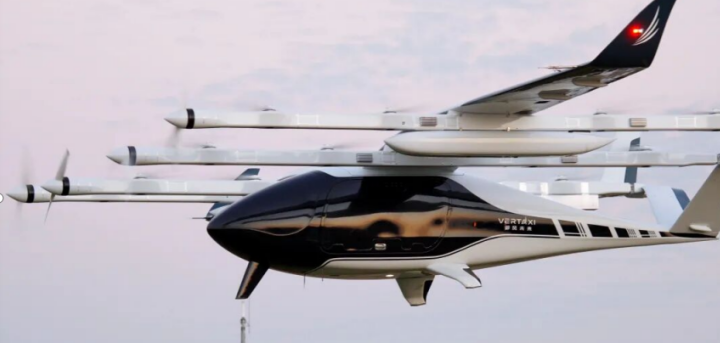
Supporting domestic eVTOL (image from the internet)
In the power testing stage, "thrust and torque measurement" is the core pain point. The six-component balance and the conventional force sensor, as two mainstream testing sensors, often leave testing engineers in a difficult dilemma: choosing the former seems expensive and operationally complex, while choosing the latter risks not meeting testing accuracy and scenario requirements.
Today, we step beyond "parameter stacking" and start from the actual scenarios of eVTOL power testing — breaking down the core differences and applicable scenarios of both, helping you quickly find the most suitable selection plan and avoid testing errors.
A conventional force sensor (usually referring to a single-component force sensor) is a device that converts a mechanical force signal into an electrical signal output. Its working principle is based on the strain effect: when an external force is applied, the elastic body inside the sensor undergoes slight deformation, and the resistance of the strain gauges attached to it changes accordingly. This resistance change is converted into an electrical signal output through a Wheatstone bridge circuit.
Simply put, a conventional force sensor can only measure force or torque in one direction. If you need to measure both thrust and torque simultaneously, multiple sensors must be installed in combination.
A six-component balance (also known as a wind tunnel balance or six-axis force/torque sensor) is a precision measuring device that can simultaneously measure forces in three directions (lift/thrust, drag, lateral force) and moments around three axes (roll moment, pitch moment, yaw moment).
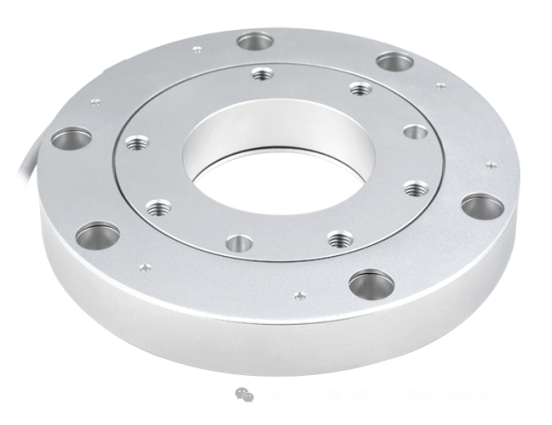
Six component balance
It is equivalent to integrating multiple thrust sensors into a single precision structure, achieving synchronous measurement of all six components through clever mechanical design and complex decoupling algorithms.
In wind tunnel testing of rotary-wing aircraft, the six-component balance is a key piece of equipment for evaluating aerodynamic performance and designing new rotor aerodynamic layouts. It can accurately measure physical quantities such as rotor thrust and torque, providing the basis for calculating rotor thrust coefficients and hover efficiency.
| Comparison Dimension | Six-Component Balance | Conventional Force Sensor |
|---|---|---|
| Measurement Capability | Simultaneously measures 3 forces and 3 moments (6 components total) | Can only measure force or torque in a single direction |
| Structural Characteristics | Integrated or one-piece design, compact structure | Single-axis measurement unit; complex when multiple units are combined |
| Inter-Dimensional Coupling | Inherent coupling exists; requires complex decoupling | No coupling problem (single-axis measurement) |
| Installation Convenience | Integrated installation, simple and reliable | Complex installation and error accumulation when combining multiple sensors |
| Calibration Complexity | Complex calibration process | Easy to calibrate |
| Data Synchronization | Six-component data naturally synchronized | Multi-sensor combinations require synchronization consideration |
| Cost | Higher (procurement, maintenance, and calibration costs all elevated) | Lower (per unit) |
Table: Comparison Table of Six Component Balance and Force Sensor
Conventional force sensors typically adopt a single-component measurement unit design. Taking strain-gauge sensors as an example, the core is a carefully designed elastic body that deforms under load. The strain gauges attached to it convert that deformation into resistance changes, which are then output as electrical signals through a bridge circuit.
Because the single-component balance has only one measurement element unit, there is no coupling problem — this is its greatest structural advantage. However, when measuring multiple force components, multiple measurement units must be combined, making structural installation inconvenient.
The design of a six-component balance is considerably more complex. Taking an integrated rotary balance as an example, it achieves six-component measurement by cleverly arranging multiple measuring elements:
Typical Structure
A floating ring is nested inside a fixed ring. The two are connected as a whole structure only through measuring elements in the Y, Z, and X directions. The measuring elements in each direction are specially designed to be sensitive only to forces in their specific direction.
Division of Labor Among Measuring Components
Y-direction measuring elements: measure tensile force Fy, pitch moment Mz, and roll moment Mx
X-direction measuring elements: measure drag force Fx and yaw moment My
Z-direction measuring elements: measure lateral force Fz
Bridge Assembly Method
Strain gauges are attached to each measuring element and assembled into Wheatstone bridges. For example, there are four sets of Y-direction measuring elements, with one bridge circuit arranged on each set — four bridge circuits in total, corresponding to different component measurements.
Advantages of the Integrated Structure
The integrated structural design allows all parts of the rotor balance to be compactly and ingeniously arranged, meeting miniaturization requirements while avoiding the nonlinearity, hysteresis, and non-return-to-zero problems caused by manufacturing errors in prefabricated structures.
1. Measurement CompletenessCaptures all six forces and moments simultaneously, which is crucial for analyzing the aerodynamic characteristics of rotors and propellers. In rotor aerodynamic performance wind tunnel testing, the six-component balance acquires physical quantities such as rotor thrust and torque, providing the basis for calculating rotor thrust coefficients and hover efficiency.
2. Reveals Coupling EffectsCan measure the mutual influence between various forces. For example, when an aircraft flies forward, asymmetric airflow can cause the rotor to generate additional pitch moments — only a six-component balance can accurately capture this complex aerodynamic phenomenon.
3. Natural Data SynchronizationBecause all six-component data comes from the same device, there is no synchronization problem as with multi-sensor combinations, resulting in higher data consistency and credibility.
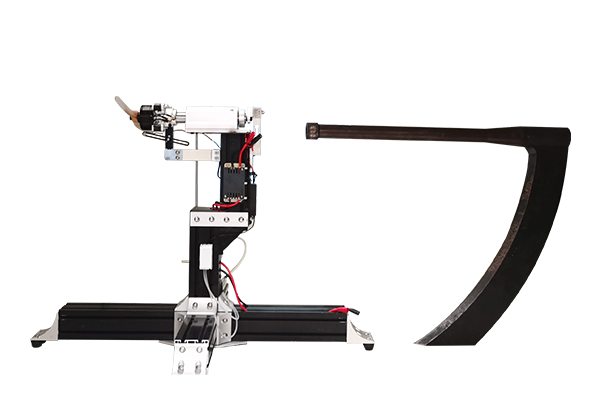
4. Easy InstallationTaking a tilt-rotor drone test as an example, the six-component strain balance is mounted at the top of the test bench, and the nacelle support is placed on top of the balance. The test rotor nacelle can be installed directly without complex multi-sensor alignment and centering procedures.
1. Inter-Dimensional CouplingMulti-component balances have inherent inter-dimensional coupling — measurements between different axes can interfere with each other and require complex decoupling algorithms and professional calibration to correct. Split six-component balances use orthogonal thin-wall structural designs to minimize coupling interference, but it cannot be completely eliminated.
2. Complex Calibration ProcessThe calibration process for a six-component balance is far more complex than that of a single-component sensor, requiring specialized calibration equipment and a professional calibration procedure.
3. Higher CostBoth procurement cost and maintenance and calibration costs are significantly higher than those of conventional force sensors.
4. High Environmental RequirementsPlaces strict demands on the rigidity, levelness, ambient temperature, and vibration levels of the installation platform.
5. Relatively Lower Single-Axis Absolute AccuracyTypically in the range of 0.2%–0.3% F.S. or lower, with accuracy decreasing as the balance's measurement range increases — conventional sensors do not have this limitation. Additionally, due to the complex internal structure, the balance is more sensitive to changes in ambient temperature, making temperature drift control more difficult.
1. No Coupling ProblemsBecause the single-component balance has only one measurement element unit, there is no coupling problem and measurement results are directly reliable.
2. Simple Structure and High Technology MaturityDesign and manufacturing are relatively straightforward, with well-established technology.
3. Low CostThe cost of a single sensor is far lower than that of a six-component balance.
4. Simple CalibrationDoes not require complex multi-dimensional calibration equipment.
5. Extremely High Single-Axis AccuracyAchieves 0.02%–0.05% F.S., with good temperature stability and strong overload resistance — ideally suited for measuring pure force in a single direction.
1. One-Sided InformationWhen measuring multiple force components, multiple measurement units must be combined, making the combined structure difficult to install. It is also difficult to obtain complete six-component data through combined measurements.
2. Introduces Mechanical Installation ErrorsCombining multiple sensors can introduce mechanical installation errors; the alignment and perpendicularity of each sensor affect the final measurement accuracy.
3. Cannot Directly Measure TorqueConventional force sensors cannot directly measure torque and require multiple sensors in combination for calculation, resulting in lower accuracy and reliability compared to direct measurement.
4. Data Synchronization IssuesMultiple sensors output independently, and data synchronization must be carefully managed during acquisition — otherwise the accuracy of torque calculations is compromised.
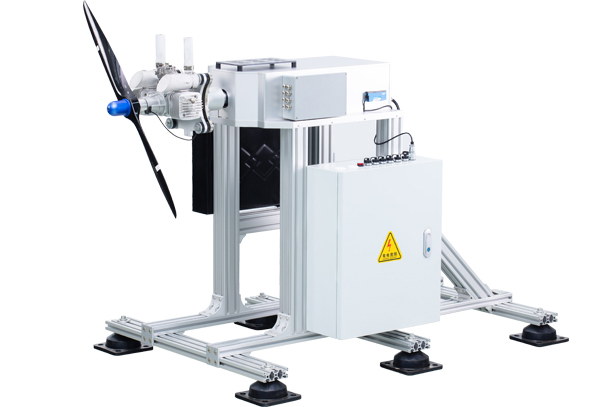
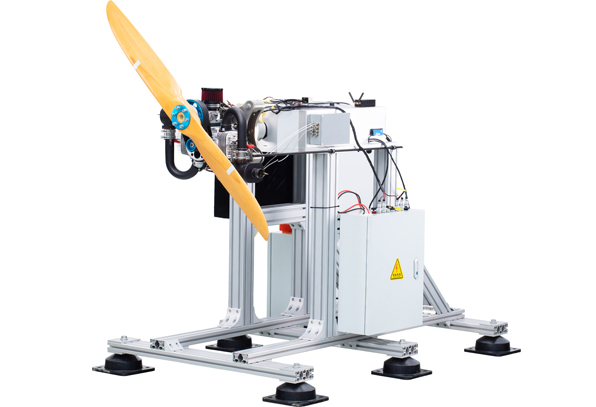
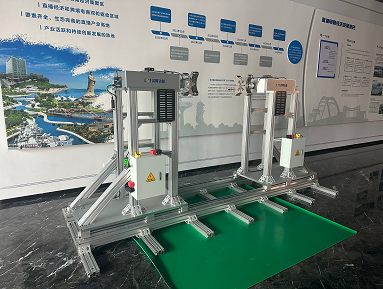
The power system testing of eVTOL is far more complex than that of conventional drones. A professional eVTOL tilt-power test bench must simultaneously measure multiple parameters including thrust, torque, rotational speed, voltage, and current. Maximum test power can reach 200–300 kW, and the maximum diameter of the tested propeller can exceed 100 inches.
More importantly, eVTOL typically involves tilting mechanisms — rotor nacelles need to operate at different angles, requiring measuring equipment to adapt to tilt conditions and measure aerodynamic parameters across different attitudes.
eVTOL power testing scenarios vary greatly, from laboratory prototype testing to mass-production quality inspection, from single-component testing to full-aircraft airworthiness testing. The requirements of different scenarios determine the selection direction. Below are clear recommendations for three core scenarios:
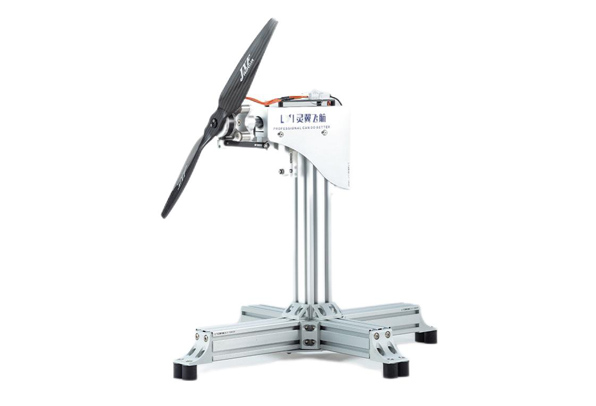
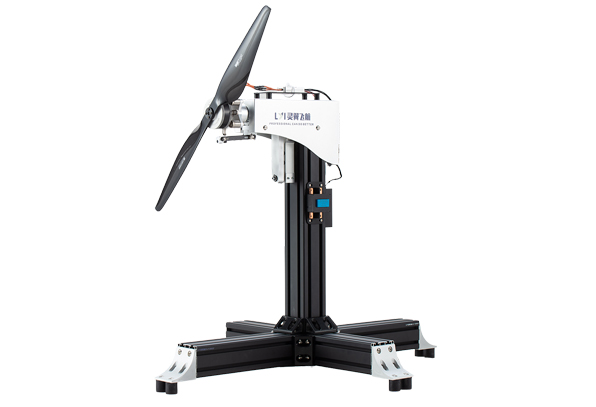
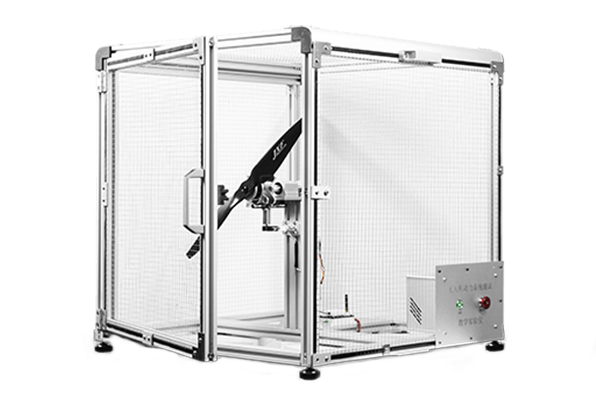
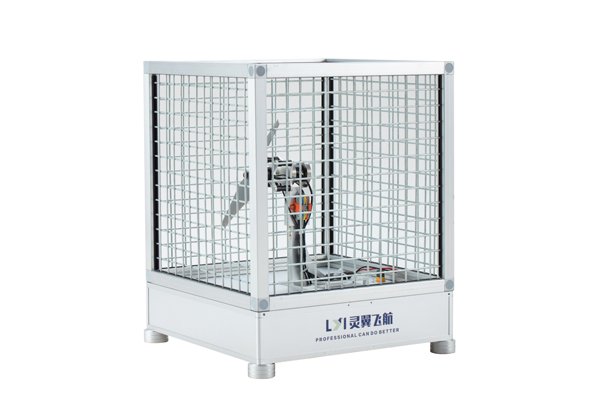
Applicable Scenarios: Motor static thrust testing, torque testing, fatigue testing, etc. The core requirement is "measuring thrust in a single direction" — no dynamic loads, no complex torque interference, and a limited budget.
Selection Recommendation: Prioritize conventional force sensors.
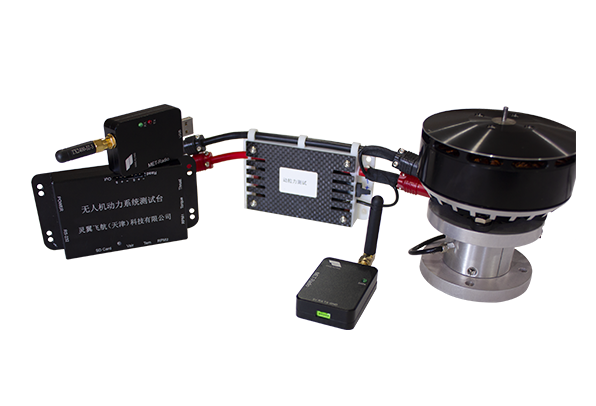
Reason: This type of scenario does not require torque measurement, and the accuracy of conventional force sensors is fully sufficient. Cost is low, operation is simple, and testing tasks can be completed quickly. For example, when testing rotor static thrust, a strain-gauge thrust sensor paired with a simple data acquisition module can accurately capture thrust data — without the high cost of investing in a six-component balance.
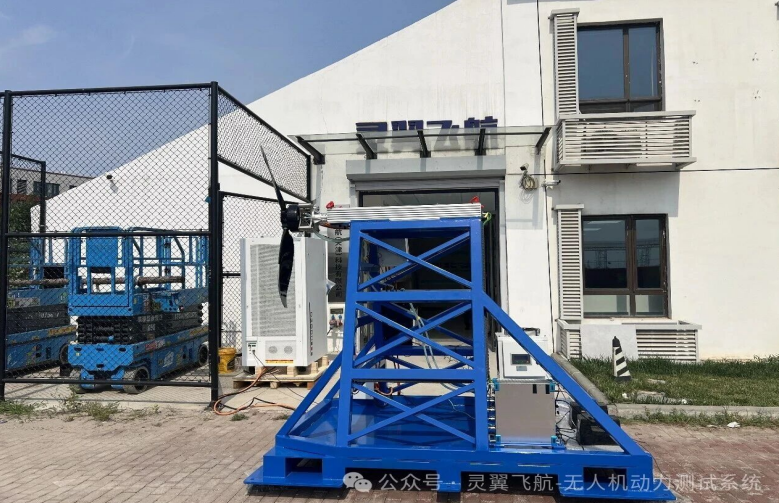
Static thrust test
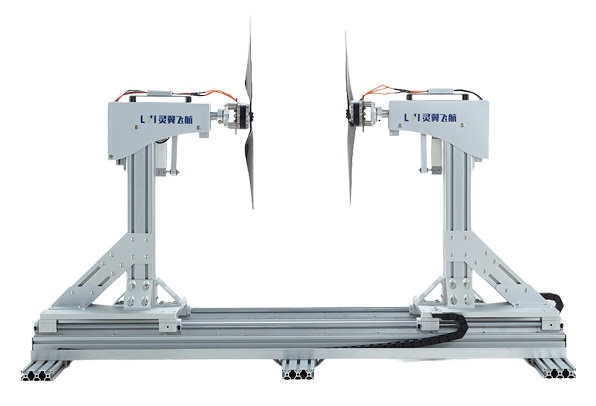
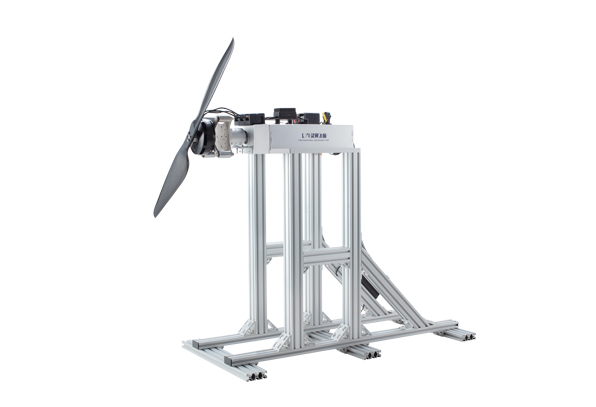
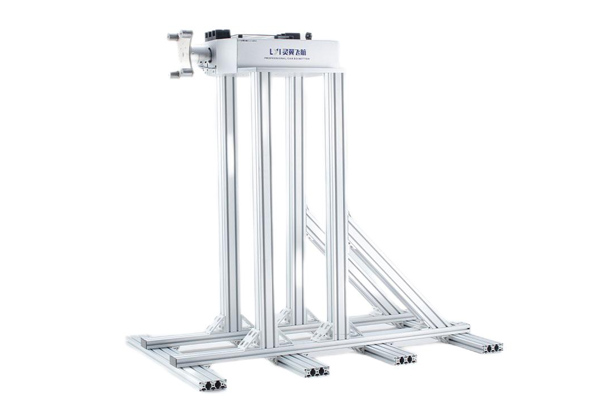
Applicable Scenarios: Rotor dynamic thrust testing, tilt power system testing, synchronous motor torque and thrust testing, etc. The core requirement is to "capture dynamic loads and multi-dimensional forces" and obtain synchronized thrust and torque data.
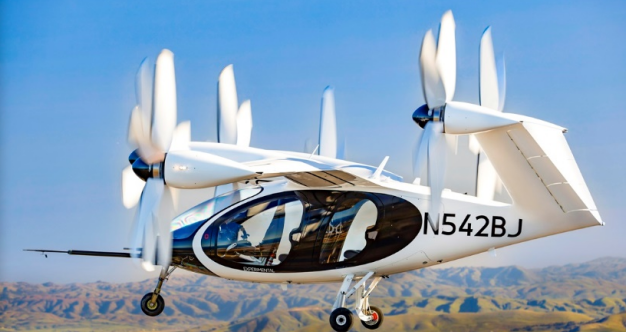
joby eVTOL
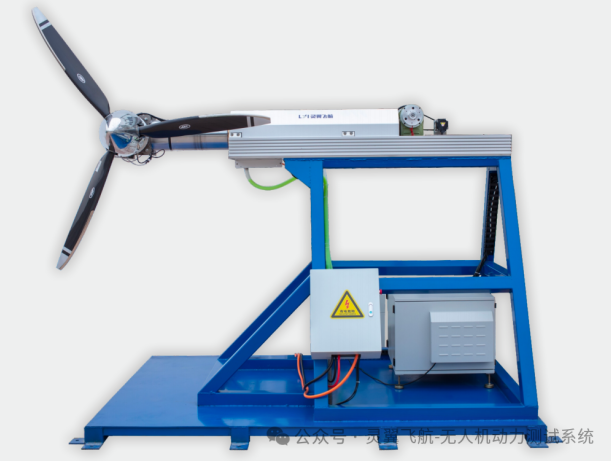
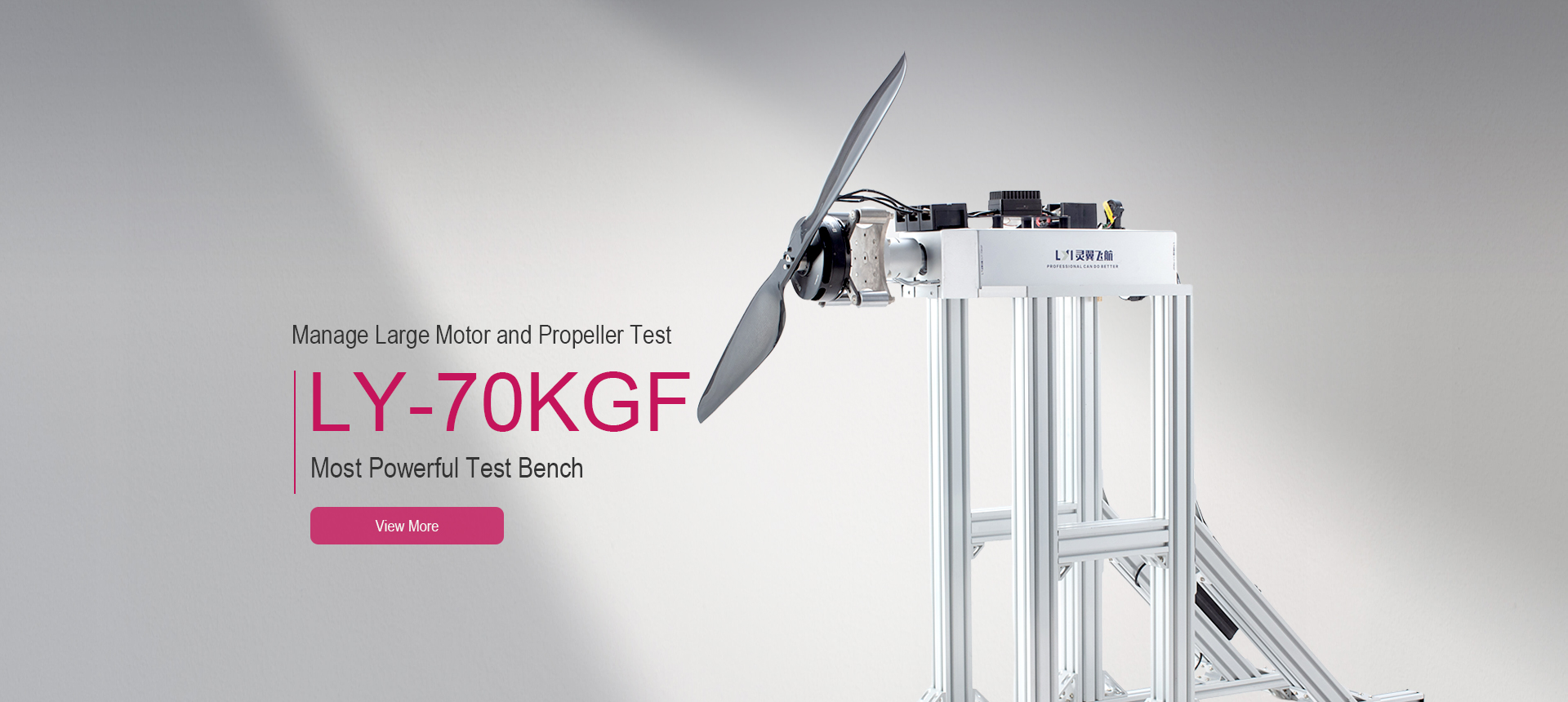
Tilting power bench (six component balance)
Selection Recommendation: A six-component balance must be selected.
Reason: The power system of eVTOL — especially the rotor and tilting mechanism — not only generates axial thrust during operation, but also produces lateral forces and rolling moments due to high-frequency vibration and airflow interference. Conventional force sensors can only capture thrust in a single direction and cannot reflect the true force state, which can lead to distorted test data and compromise power system optimization and safety evaluation. For example, in tilt-power testing, the six-component balance can simultaneously collect thrust, lateral force, and pitch moment throughout the tilting process, accurately reflecting the force changes in the tilting mechanism and providing complete data support for mechanism optimization. A conventional force sensor, by contrast, can only measure thrust and cannot capture torque interference during tilting — making such test data of limited reference value.
Applicable Scenarios: eVTOL full-aircraft aerodynamic load testing, flight attitude torque testing, structural fatigue testing, etc. Core requirements are "high precision, full dimensionality, and traceability" — test data must support airworthiness certification by civil aviation authorities, making this a critical link in commercial deployment.
Selection Recommendation: High-precision six-component balance, paired with a wireless data acquisition system.
Reason: Airworthiness certification places extremely high demands on the accuracy and completeness of power test data, requiring a complete chain of force and torque data to verify the safety and reliability of the aircraft. The six-component balance enables synchronized multi-source data acquisition — including thrust, strain, and vibration — with synchronization accuracy up to 10 μs, accurately correlating rotor loads with structural stresses and providing key data support for airworthiness certification. Additionally, the compact body structure of eVTOL means that traditional wired test equipment cabling can disrupt the aerodynamic layout. Pairing the six-component balance with a wireless acquisition module enables miniaturized deployment, eliminates cabling interference, and adapts to testing demands in complex low-altitude environments.
The six-component balance and the conventional force sensor are like a generalist and a specialist — one observes every subtle aerodynamic characteristic; the other focuses on measuring a single force value with precision. In eVTOL power testing, both have their place. There is no absolute superiority or inferiority — only whether a given tool is the right fit for the task.
Which one to choose depends on the problem you are trying to solve. The six-component balance represents "comprehensive coverage" and is suited for in-depth aerodynamic research. The conventional force sensor represents "focused precision" and is suited for efficient production quality control. Throughout the complete eVTOL development lifecycle, the two are often used in combination — jointly supporting the full chain from design validation through mass production.
Precise power test data is the foundation upon which eVTOL takes flight. Whether you are in the prototype validation stage, system integration, or airworthiness certification, choosing the right test solution is critical. For professional selection consulting on six-component balances and thrust sensors, or to learn more about complete eVTOL power test solutions, contact WingFlying — dedicated to flight power testing, empowering the high-quality advancement of the low-altitude economy.
E-mail: 18722591228@163.com
Add.: 7th Floor, B2#,Animation Building, Sino-Singapore Tianjin Eco-City