
Jan. 15, 2026
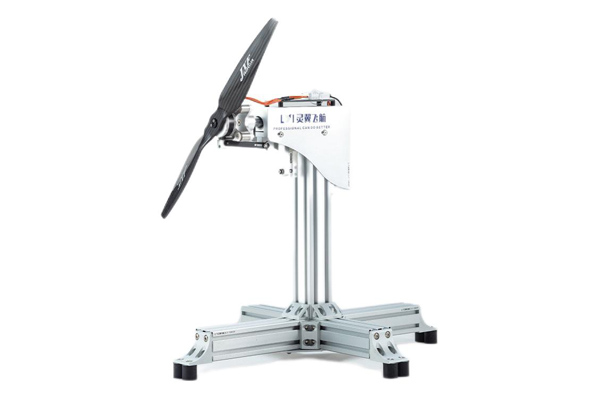
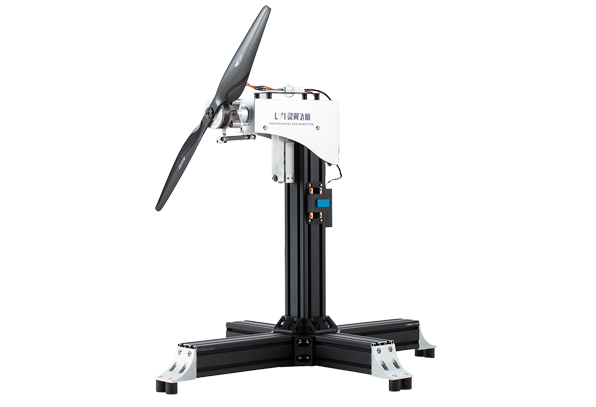
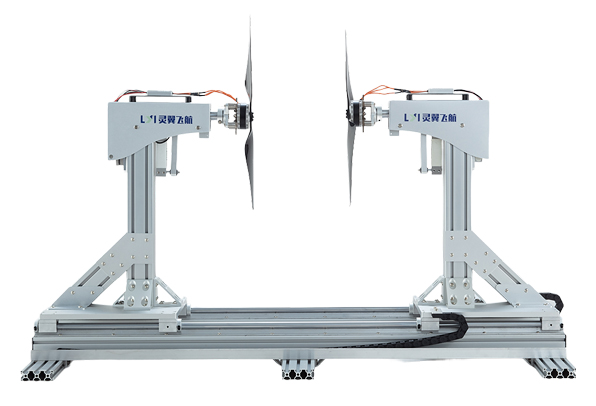
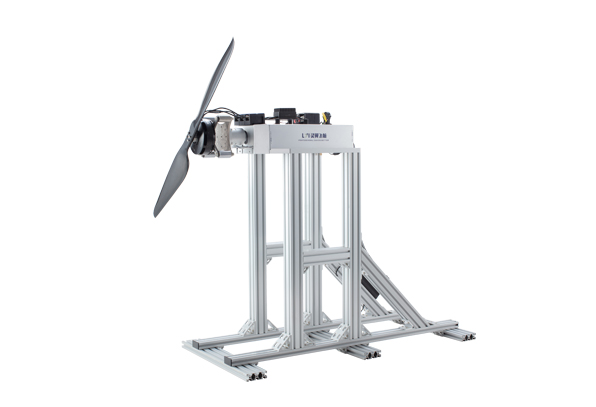
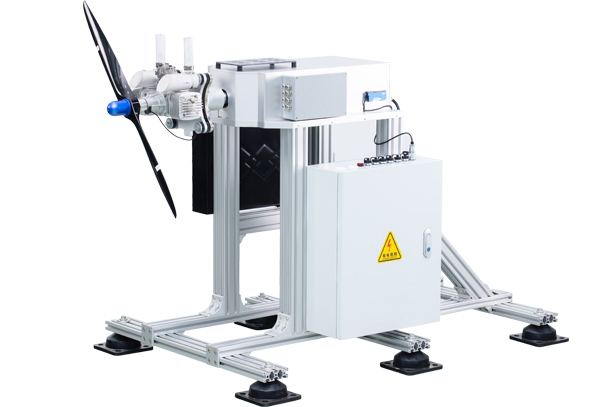
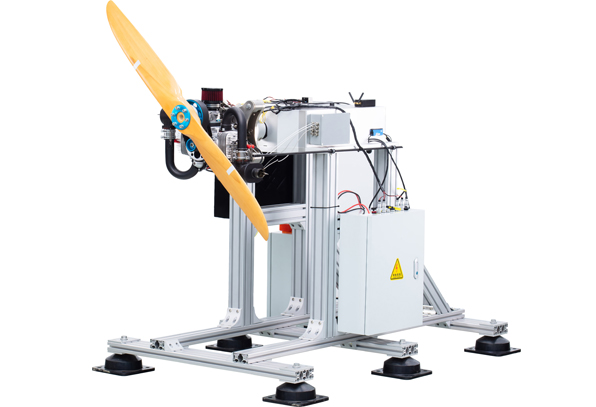
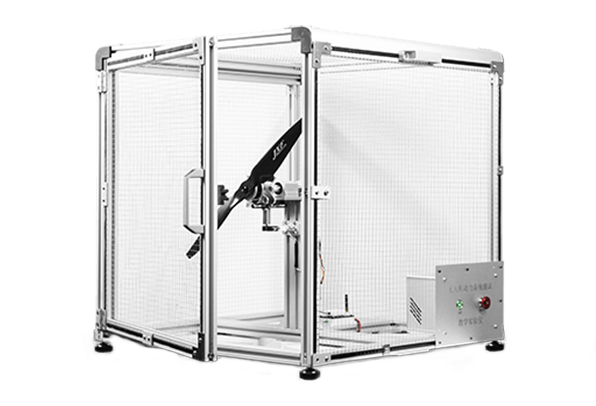
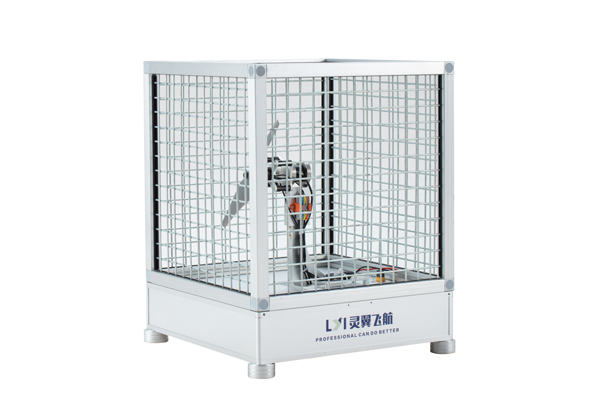
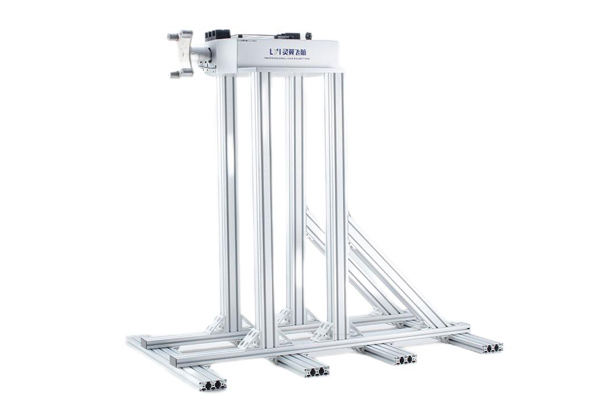
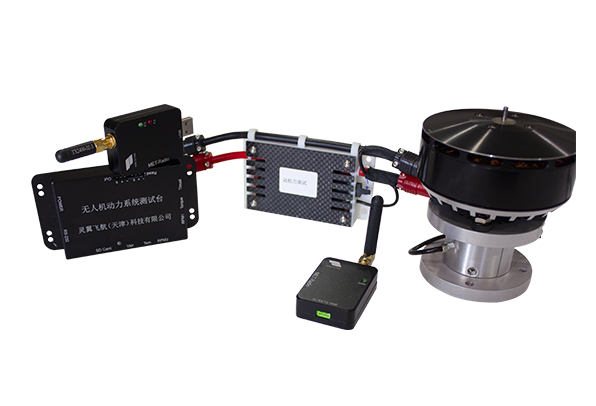
PCB-based ESC test boards serve as flexible testing platforms primarily for electronic speed controllers (ESCs), whereas integrated ESC+motor test stands combine both components into a unified system for testing performance. This fundamental difference affects how they are used in practical settings.
PCB-based test boards allow users to configure various setups tailored to specific testing scenarios, offering substantial flexibility. In contrast, integrated systems provide convenience with ready-to-use configurations, which can be appealing for users looking for efficient testing solutions without customization.
The following table summarizes important specs to consider when comparing PCB-based ESC test boards and integrated ESC+motor test stands:
| Feature | PCB-Based ESC Test Boards | Integrated ESC+Motor Test Stands |
|---|---|---|
| Configuration Flexibility | High | Moderate |
| Ease of Use | Moderate | High |
| Portability | High | Moderate |
| Testing Range | Broad | Narrow |
| Price Range | Varies | Higher Initial Cost |
Users of PCB-based test boards report variable battery consumption based on the configuration and load during tests. Integrated stands tend to optimize battery usage through integrated features, which can be more efficient during continuous operations.
In practice, stability can be slightly better in integrated systems due to their cohesive design. However, many users find PCB-based boards stable enough for most applications, particularly when coupled with quality components and appropriate mounting techniques.
Advantages:
Highly customizable setup
Cost-effective for various testing scenarios
Lightweight and portable
Disadvantages:
Requires a deeper understanding of configurations
Potentially longer setup times
Advantages:
Plug-and-play convenience
Streamlined testing process
Typically more durable
Disadvantages:
Less flexibility for unique configurations
Higher initial investment
Users who are experienced, often tinkering with different setups, or require a high degree of customization will benefit from PCB-based ESC test boards. They’re also suitable for hobbyists and professionals working on multiple projects needing diverse testing capabilities.
Integrated systems are ideal for users prioritizing efficiency, ease of use, and those who perform repetitive testing without needing to make frequent adjustments. They are particularly well-suited for industrial applications and those less familiar with ESC technology.
In conclusion, choosing between a PCB-Based ESC Test Board and an Integrated ESC+Motor Test Stand ultimately depends on your specific testing needs and expertise. Both options have unique strengths to accommodate different user preferences. For those seeking reliable equipment for drone performance evaluations, consider our offerings at Wing Flying.
E-mail: 18722591228@163.com
Add.: 7th Floor, B2#,Animation Building, Sino-Singapore Tianjin Eco-City