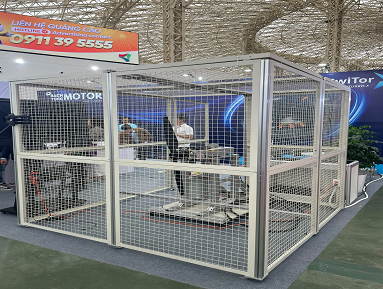

Nov. 20, 2026
UAV engine performance cannot be fully evaluated through a single measurement. Thrust, torque, rotational speed, fuel consumption, and engine temperature are closely related operating parameters. An engine may produce sufficient thrust at a particular throttle setting, but its fuel consumption, thermal condition, and response to changing loads also need to be evaluated before its overall performance can be understood.
For UAV engine developers and manufacturers, collecting these parameters under consistent test conditions provides a more complete basis for propulsion system optimization. Synchronized data acquisition is particularly valuable because it allows engineers to examine how different engine parameters change together rather than treating each measurement as an isolated result.
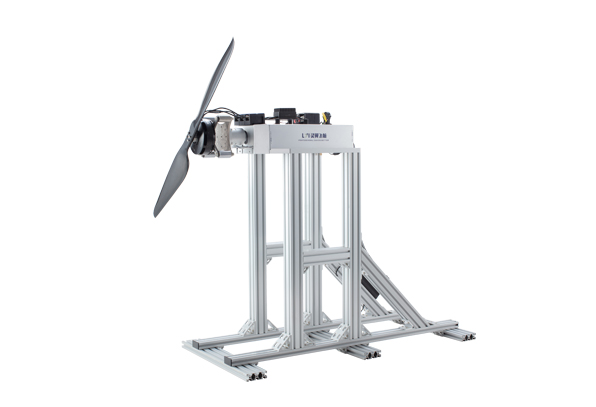
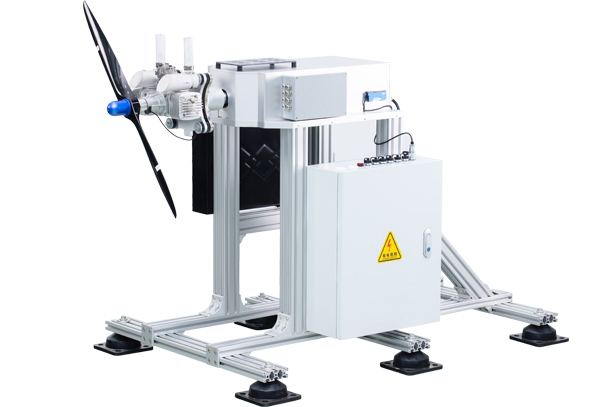
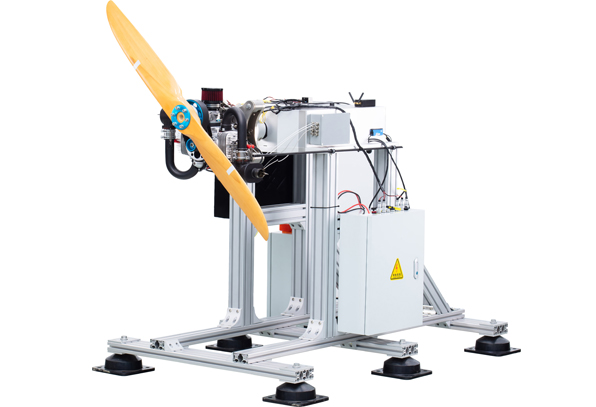
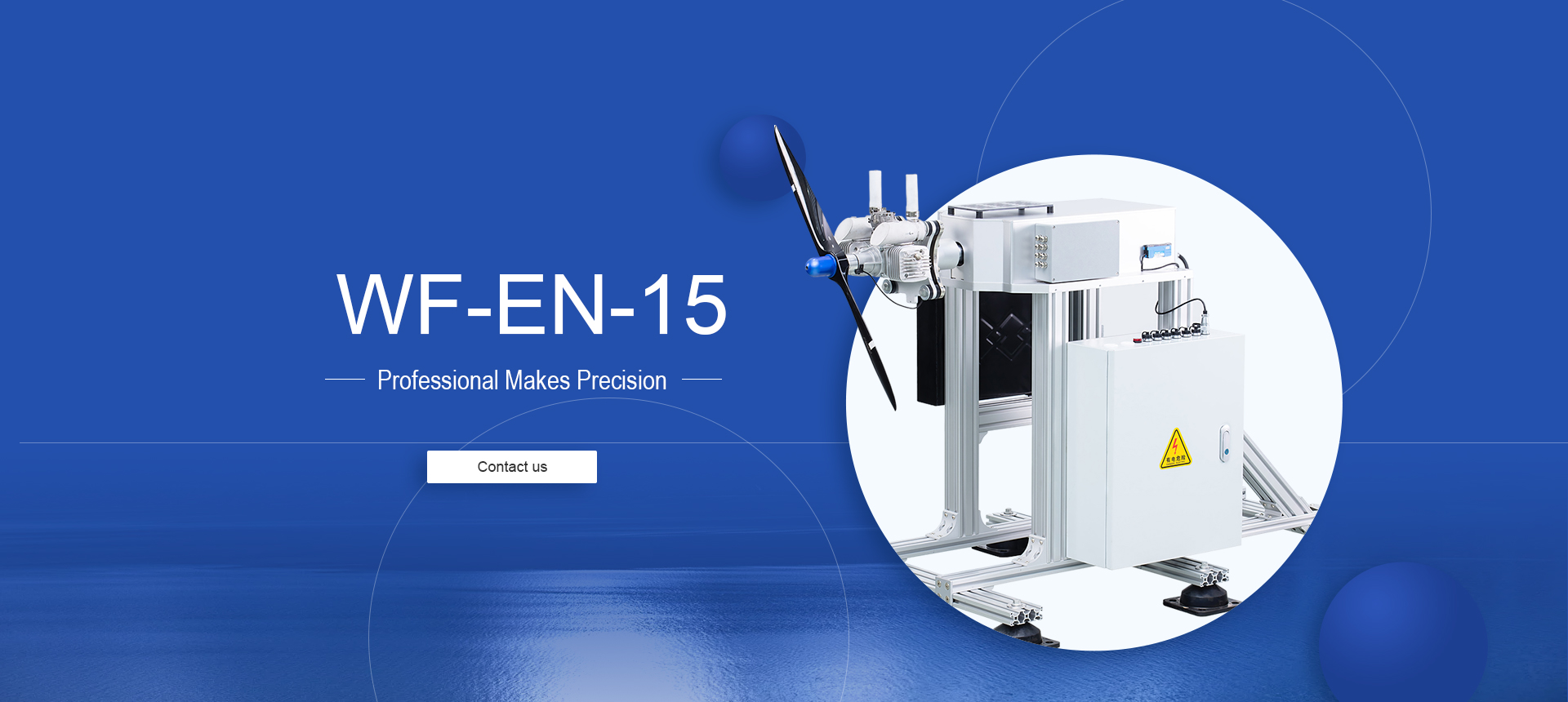
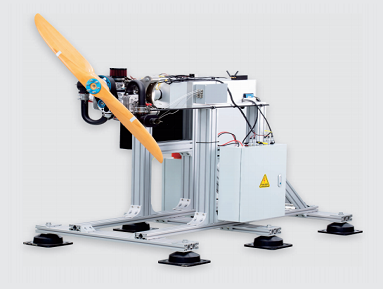
The WF-EN-55 engine test bench from WING FLYING is designed for testing 110–550CC fuel-powered UAV engines. By integrating thrust, torque, speed, temperature, and environmental measurements, it supports multi-dimensional engine performance evaluation, comparative testing, and long-duration operation analysis.
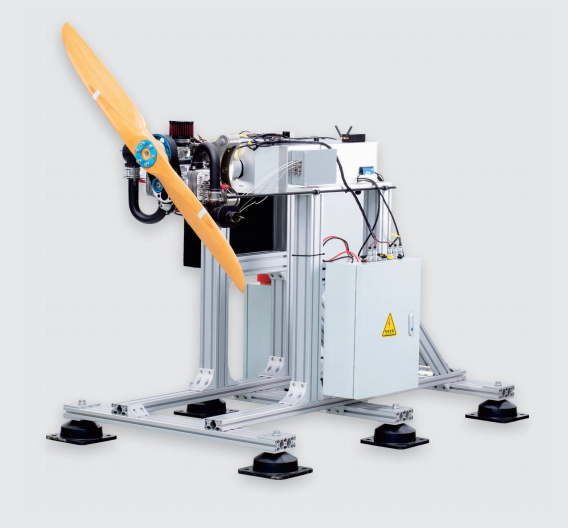
When thrust, torque, rotational speed, and fuel consumption are measured separately, engineers may find it difficult to establish clear relationships between engine output and operating conditions.
For example, an increase in engine speed does not necessarily mean that the propulsion system is operating more efficiently. The corresponding thrust, torque, and fuel consumption also need to be considered.
Synchronized data acquisition helps engineers:
Compare engine output and fuel consumption under the same operating conditions.
Observe how thrust and torque change with rotational speed.
Identify temperature variations associated with different engine loads.
Evaluate engine response during throttle adjustments.
Compare different propellers and engine configurations using consistent test conditions.
When these measurements share a common time reference, engineers can analyze the relationships between operating parameters more effectively. This provides useful information for engine calibration, propeller matching, and UAV propulsion development.
Thrust, torque, and fuel consumption provide different but complementary information about engine performance.
Thrust indicates the force generated by the propeller-driven propulsion system, while torque and rotational speed provide information about mechanical output. Fuel consumption helps engineers understand the amount of fuel required to produce that output.
Evaluating these parameters together is useful when comparing different engine operating points or propulsion configurations.
For example, when testing the same engine with different propellers, engineers can compare the resulting thrust, torque, rotational speed, and fuel consumption under corresponding conditions. This helps identify how propeller selection affects the overall engine-propeller combination.
The WF-EN-55 supports thrust measurement up to 150 kg and torque measurement up to 150 N·m, with a measurement resolution of 0.01 kg and 0.01 N·m, respectively.
Fuel consumption can also be included in the test when the corresponding fuel flow measurement configuration is installed. The collected data can then support fuel consumption analysis and specific fuel consumption calculations.
For propulsion efficiency calculations, the relevant operating conditions and additional parameters required by the calculation method should also be considered.
Engine temperature is another important factor in UAV propulsion performance evaluation.
During continuous operation, changes in engine load, throttle position, fuel mixture, and cooling conditions can affect cylinder head and exhaust temperatures. Monitoring these changes helps engineers understand the engine's thermal behavior under different operating conditions.
The WF-EN-55 provides multi-channel temperature acquisition, including:
Two PT100 cylinder head temperature measurement channels.
Two K-type exhaust temperature measurement channels.
Four additional temperature interfaces for PT100 or K-type sensors.
By recording cylinder head temperature (CHT) and exhaust gas temperature (EGT), engineers can compare thermal trends across different engine speeds, loads, and test durations.
These measurements help identify abnormal temperature increases and changes in thermal stability. They can also provide useful reference data when evaluating cooling arrangements and engine operating conditions.
For long-duration testing, continuous temperature records make it easier to observe gradual changes that may not be apparent during short-duration tests.
Steady-state testing shows how an engine performs after operating conditions become relatively stable. However, UAV propulsion systems also need to be evaluated when operating conditions change.
Throttle adjustments can cause corresponding changes in rotational speed, thrust, torque, and engine temperature. The way these parameters respond provides additional information about engine behavior.
Transient response testing can be used to examine:
Engine response during throttle increases.
Rotational speed and thrust changes during acceleration.
Output behavior when the throttle is reduced.
Temperature variations during changing operating conditions.
Differences between repeated throttle adjustment tests.
The WF-EN-55 integrates engine control functions with measurement and data acquisition. Its throttle servo PWM output supports controlled throttle adjustment during testing.
By recording the resulting changes in operating parameters, engineers can evaluate engine response and identify operating conditions that require further calibration.
This information is useful for UAV engine development, throttle control adjustment, and propulsion system matching.
Engine reliability cannot be assessed through short-duration performance measurements alone. Long-duration operation and repeated operating cycles provide additional information about how engine parameters change over time.
During durability testing, engineers can monitor trends in:
Thrust and torque output.
Rotational speed stability.
Cylinder head and exhaust temperature.
Fuel consumption under comparable operating conditions.
Changes in engine vibration, where the corresponding measurement system is configured.
Repeated operating conditions help establish a basis for comparing engine performance at different stages of a test.
For example, a gradual change in temperature or output under comparable test conditions may indicate that the engine requires further inspection. Changes in measured parameters can also help engineers identify potential performance degradation during extended operation.
The WF-EN-55 supports long-duration engine testing and multi-parameter data recording. Its measurement and control functions provide a practical foundation for durability evaluation, engine development, and comparative reliability testing.
A meaningful comparison requires more than using the same engine. Environmental conditions and test configurations can also influence measurement results.
Atmospheric pressure, ambient temperature, and humidity may affect engine operating conditions. Differences in propeller selection, muffler configuration, and carburetor or EFI settings can also lead to changes in measured performance.
The WF-EN-55 incorporates environmental measurement capabilities for collecting:
Atmospheric pressure.
Ambient temperature.
Relative humidity.
Recording these environmental parameters alongside engine performance data helps engineers understand the conditions under which each test was conducted.
For comparative testing, engineers can evaluate different propellers, mufflers, and engine configurations while keeping the relevant operating conditions and test procedures as consistent as possible.
Where repeatable test scripts are available in the configured software, they can further help standardize test procedures and improve the consistency of repeated measurements.
This approach is particularly useful for engine development laboratories, UAV manufacturers, and testing teams conducting comparative performance evaluations.
The WF-EN-55 engine test bench brings together multiple measurement and engine control functions for testing fuel-powered UAV engines.
Designed for recommended engine sizes of 110–550CC, the system supports a range of engine performance evaluation requirements through its integrated measurement channels and environmental monitoring capabilities.
Its main measurement functions include:
Thrust measurement: up to 150 kg.
Torque measurement: up to 150 N·m.
Optical rotational speed measurement: 0–15,000 RPM.
Pulse rotational speed measurement: 0–60,000 RPM.
Cylinder head temperature monitoring.
Exhaust temperature monitoring.
Environmental pressure, temperature, and humidity measurement.
The equipment also supports engine control functions, including electric starting, ignition control, fuel pump control, and throttle and choke servo outputs.
With these capabilities, the WF-EN-55 can support engine performance evaluation, propeller matching, thermal condition monitoring, transient response testing, and long-duration durability testing.
For more information about WING FLYING's UAV engine test benches, explore the available engine testing equipment. Engineers interested in measurement and data processing can also learn more about our test software.
For projects with specific engine configurations or testing requirements, WING FLYING also provides custom engine test stand solutions.
Effective UAV engine development requires a clear understanding of how engine output, fuel consumption, temperature, and operating conditions interact.
Synchronized measurement provides engineers with a more complete view of engine behavior, helping them evaluate performance, compare propulsion configurations, and identify changes during extended testing.
With its multi-parameter acquisition and engine control capabilities, the WF-EN-55 provides a practical testing solution for UAV engine development and performance evaluation.
Contact WING FLYING to discuss your UAV engine testing requirements and find a suitable testing configuration for your application.
Previous: None
Next: LY-30KGF Test Bench Enters Routine Service for Medium-UAV Propulsion Validation
How Synchronized Engine Testing Optimizes UAV Propulsion
Nov. 20, 2026
Keywords
E-mail: 18722591228@163.com
Add.: 7th Floor, B2#,Animation Building, Sino-Singapore Tianjin Eco-City