
Sep. 25, 2025
When testing UAV motors, users often face significant challenges related to thermal performance. Many enthusiasts and engineers, such as James, a UAV developer from San Diego, encountered issues when optimizing their UAV motor test setups for consistent temperature readings. They found that not having the right test bench design led to overheating, resulting in a 23% reduction in motor efficiency. This underscores the importance of choosing the correct test bench design to ensure accurate thermal performance testing.
With a focus on thermal performance, this article will explore how different test bench designs impact performance during testing. We will delve into specific user scenarios, such as optimizing for thermal dissipation and the selection of materials, to better align with your objectives.
To embark on the journey of improving thermal performance during UAV motor tests, you\'ll need several key elements:
Materials:
High-thermal conductivity aluminum or copper for the test bench.
Thermal imaging cameras for monitoring temperatures.
Fans or liquid cooling systems to enhance heat dissipation.
Tools:
Digital multimeter for electrical measurements.
Infrared thermometer for quick temperature checks.
Data logging software for analysis.
Framework:
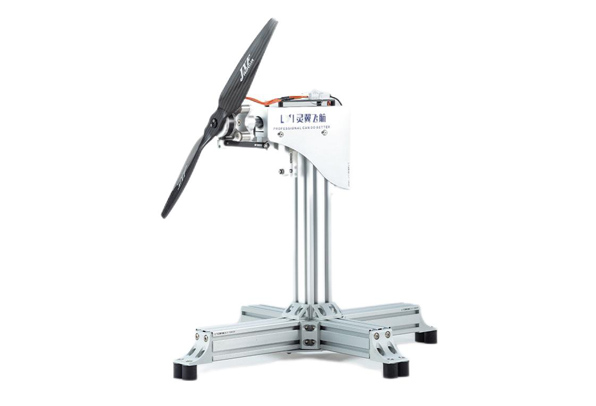
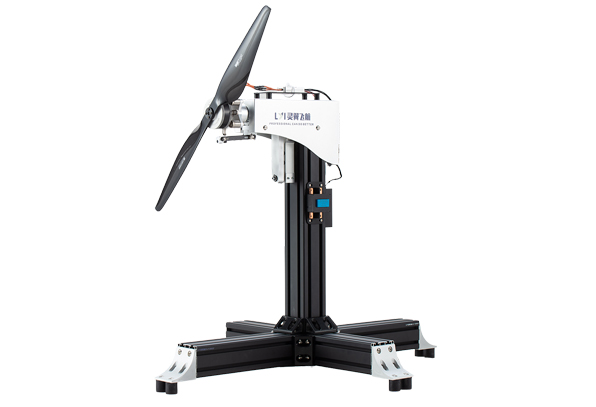
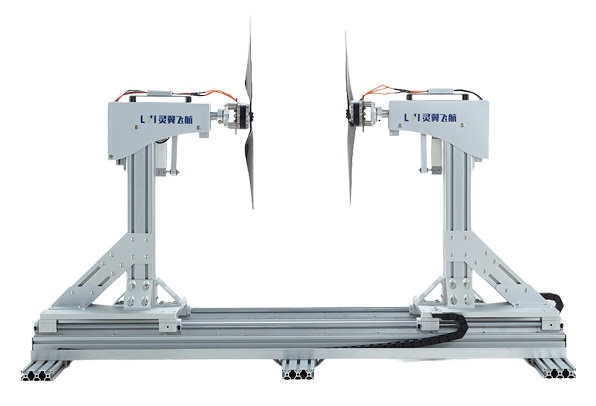
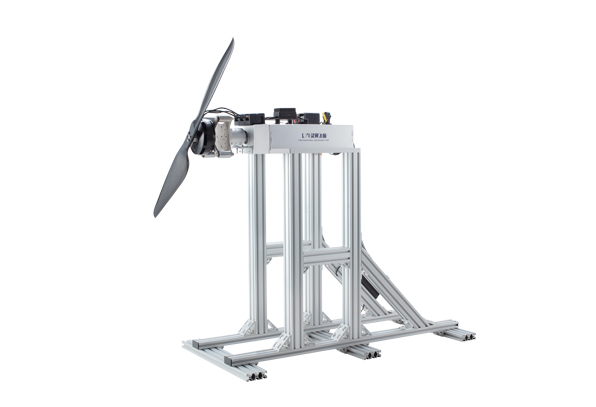
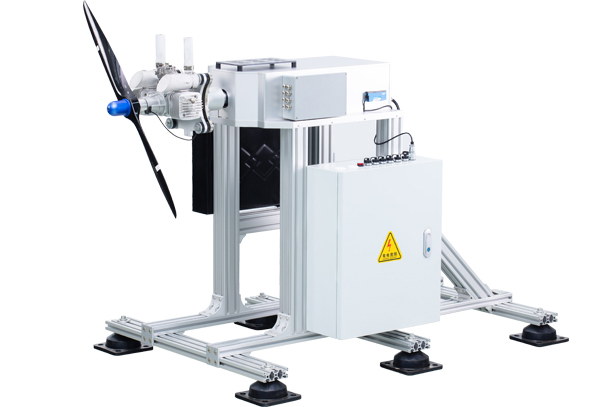
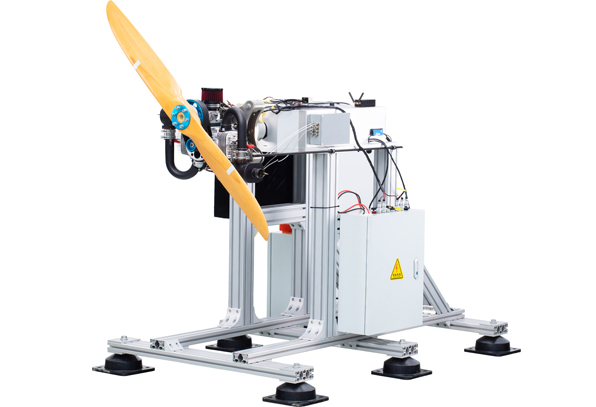
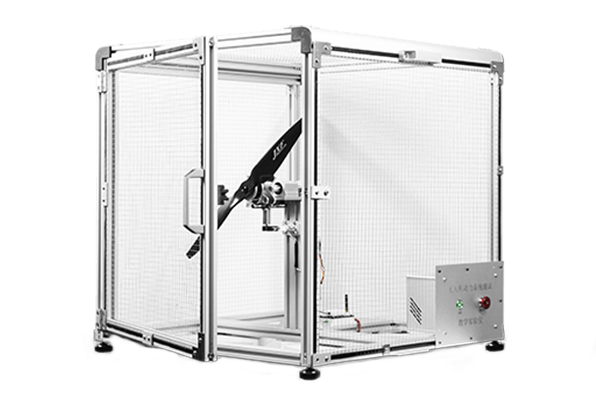
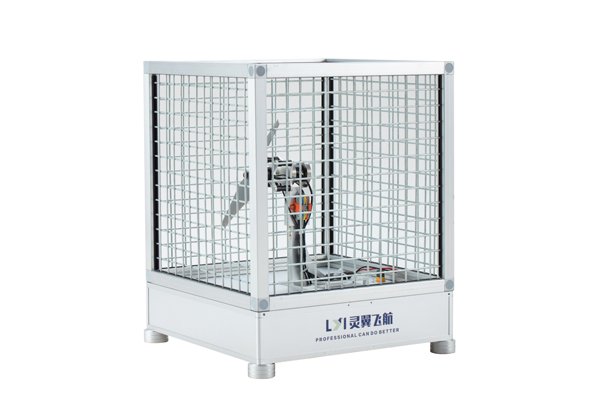
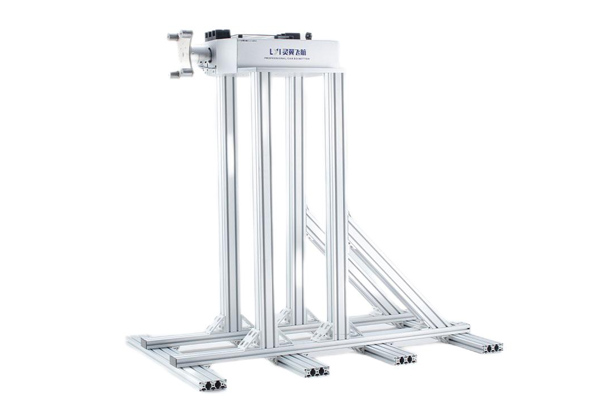
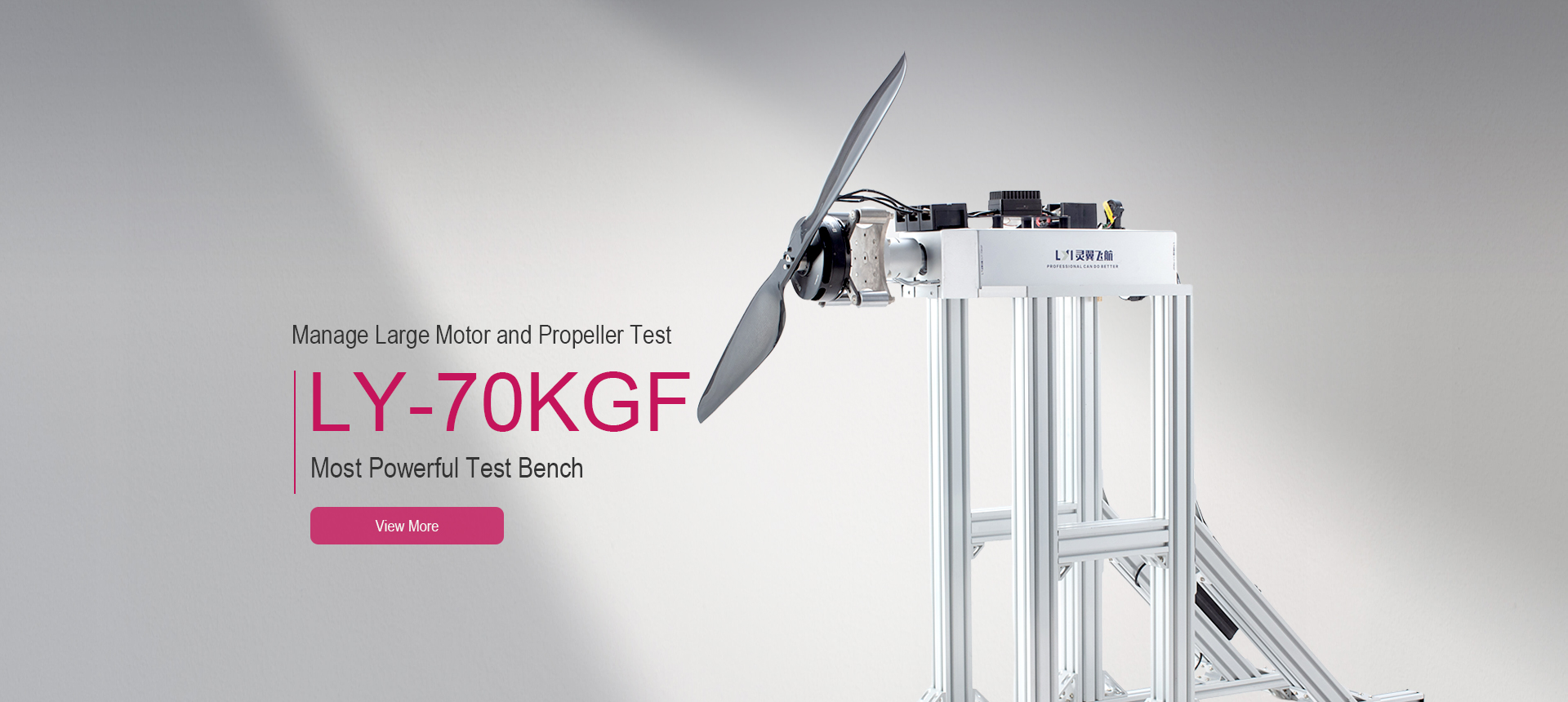
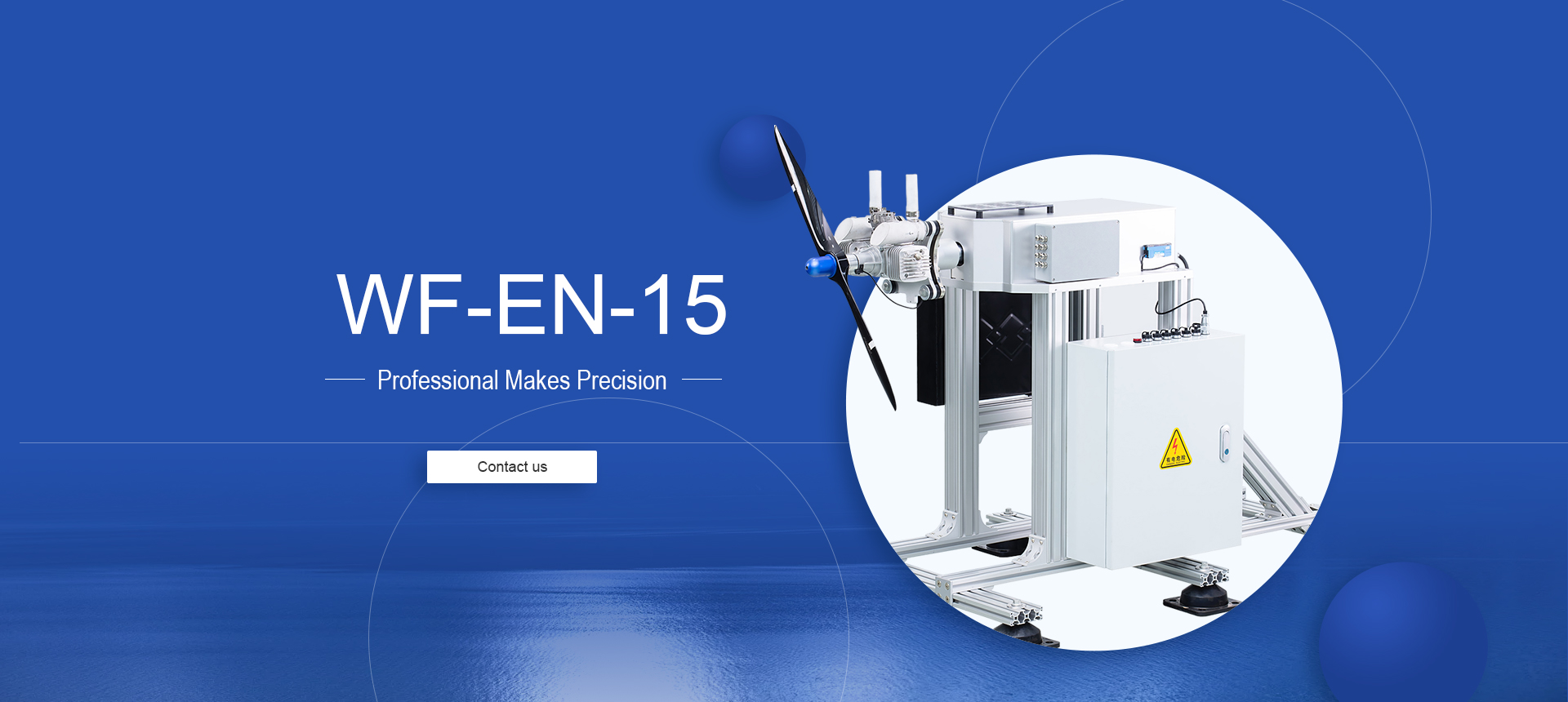
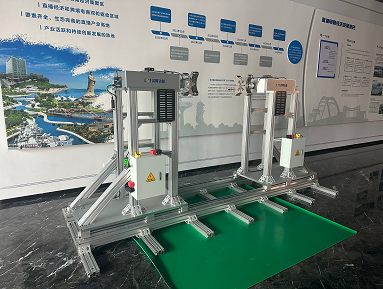
A pre-assembled test bench from manufacturers like Wing Flying, designed for optimal airflow.
Clear defined metrics for thermal performance (e.g., temperature range during operation).
Start by selecting a test bench that facilitates adequate airflow and thermal management. For instance, Wing Flying offers customizable setups that improve heat dissipation. Ensure the materials used have high thermal conductivity.
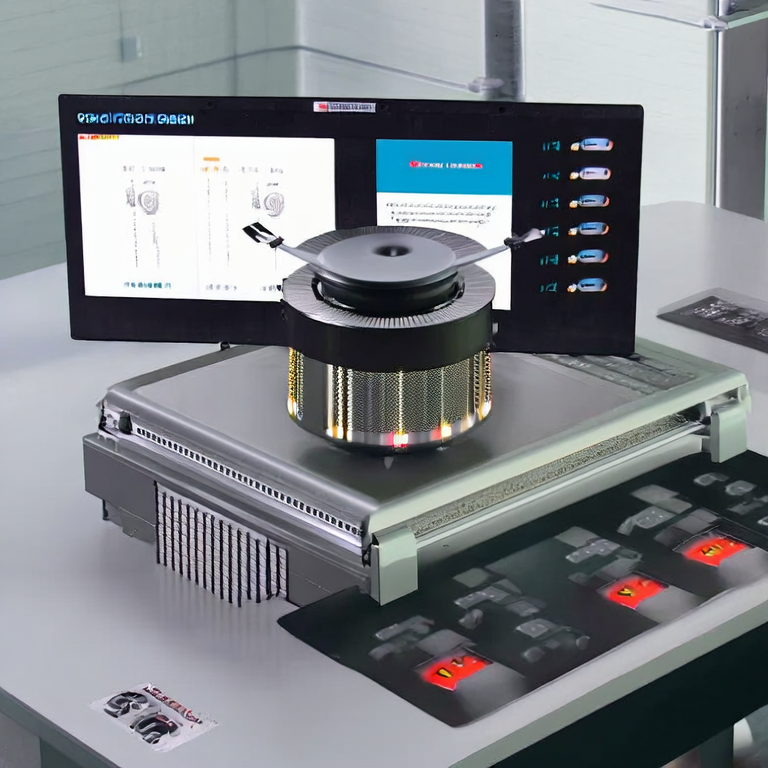
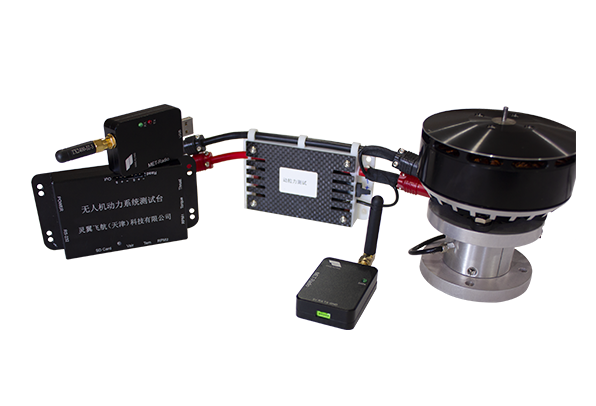
Arrange your UAV motor, thermal imaging cameras, and cooling systems on the test bench. Ensure that all components are securely fastened to avoid any movement during testing.
Run the UAV motor at various power levels. Start with low power and gradually increase to observe the thermal response under different operational conditions. Record data for temperature at each increment.
Use data logging software to visualize temperature changes. James found that a specific design helped lower temperature spikes by 15 degrees, ensuring operational safety and efficiency.
If temperatures exceed safe limits, activate additional cooling solutions like fans or liquid systems that can reduce operating temperatures by approximately 10-20% during tests.
Many users face the following common issues:
Overheating: Solution: Ensure that your test bench is designed for airflow and consider active cooling solutions.
Inaccurate Temperature Readings: Solution: Regularly calibrate thermal sensors and ensure they are correctly placed.
Insufficient Data Logging: Solution: Utilize comprehensive software that monitors in real-time to avert data loss.
Optimizing your UAV motor tests for thermal performance involves choosing the right test bench design, utilizing proper materials, and implementing effective cooling solutions. Brands like Wing Flying offer invaluable resources and products to help navigate through this process. Always ensure you perform regular maintenance on your equipment to guarantee accurate results every time.
Q1: What factors affect thermal performance testing?
A1: Factors include test bench design, material thermal conductivity, airflow, and external environmental conditions.
Q2: How does the material choice influence testing?
A2: Materials with high thermal conductivity help dissipate heat more efficiently, reducing the risk of thermal buildup.
Q3: Can I use my existing test bench for UAV motors?
A3: Yes, but consider modifying it for better thermal management if it lacks proper airflow or material specifications.
E-mail: 18722591228@163.com
Add.: 7th Floor, B2#,Animation Building, Sino-Singapore Tianjin Eco-City