
Nov. 13, 2025
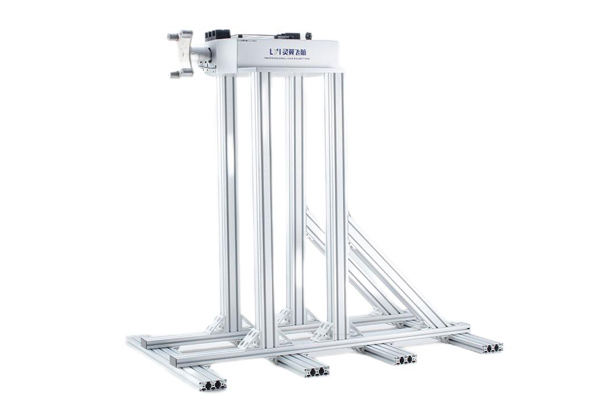
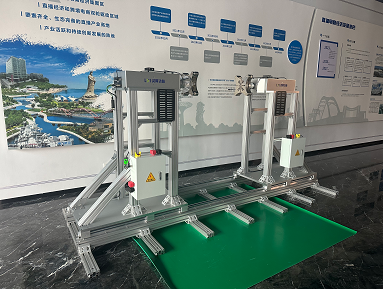
Traditional mechanical test fixtures are built using solid materials designed to hold and stabilize components during testing. They primarily rely on mechanical interfaces to maintain positional accuracy and repeatability.
Material: Typically made from metals like aluminum or steel.
Weight: Generally heavier than electric modules.
Setup Time: Often requires manual assembly and alignment.
Maintenance: Low, but can require recalibration occasionally.
High durability and robustness.
Cost-effective for large volume testing.
Independence from power sources.
Limited flexibility for different tests.
Longer setup times.
Potential for mechanical wear and tear over time.
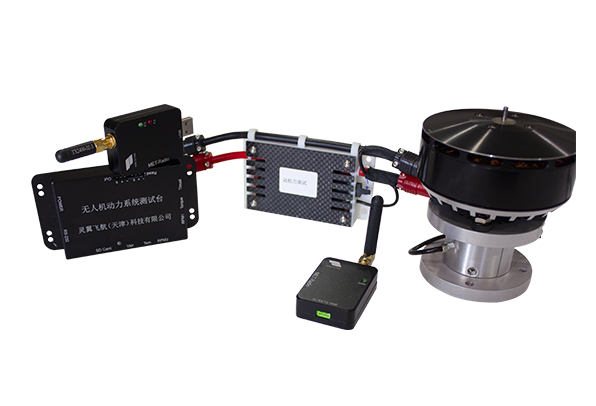
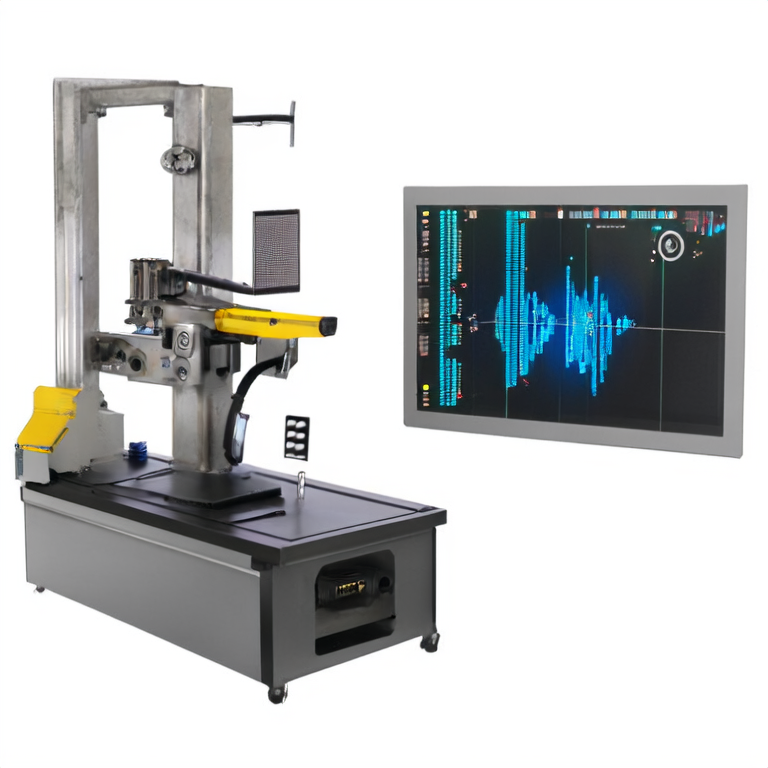
Electric measurement modules utilize electronic components to measure and analyze physical properties of a device under test (DUT). They typically feature integrated sensors and are often connected to software for data analysis.
Data Output: Offers digital outputs for immediate analysis.
Battery Life: Generally longer due to efficient energy use.
Calibration: Often comes with self-calibration features.
Flexibility: Can be reconfigured for different tests quickly.
Real-time data acquisition and analysis.
High adaptability for various testing scenarios.
Quicker setup and teardown times.
Dependency on power supply.
Potential issues with electronic failures.
Higher initial investment costs.
| Parameters | Mechanical Test Fixtures | Electric Measurement Modules |
|---|---|---|
| Durability | High | Moderate |
| Initial Investment | Lower | Higher |
| Flexibility | Low | High |
| Setup Time | Longer | Shorter |
| Power Requirement | No | Yes |
Users appreciate the durability and cost-effectiveness of mechanical test fixtures, especially in high-volume testing scenarios. However, many note longer setup times as a significant drawback.
Users highlight the flexibility and speed of electric measurement modules, especially in environments that require rapid changes between tests. Some express concerns about battery life and the need for power availability.
Mechanical Test Fixtures: Ideal for manufacturers focusing on large-scale production with limited flexibility needs.
Electric Measurement Modules: Best suited for R&D environments that require quick adjustments and detailed analytics.
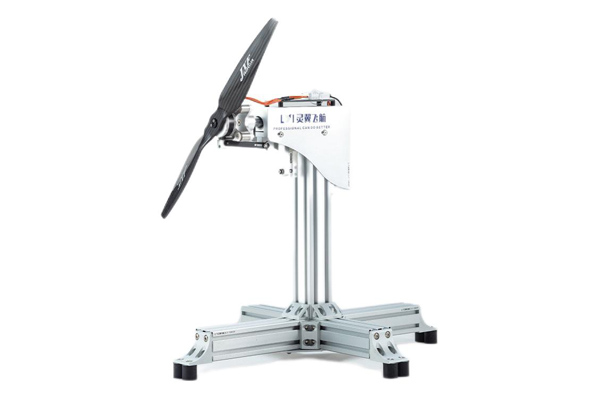
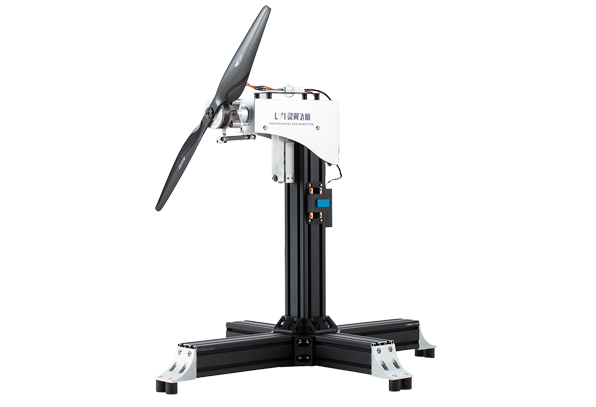
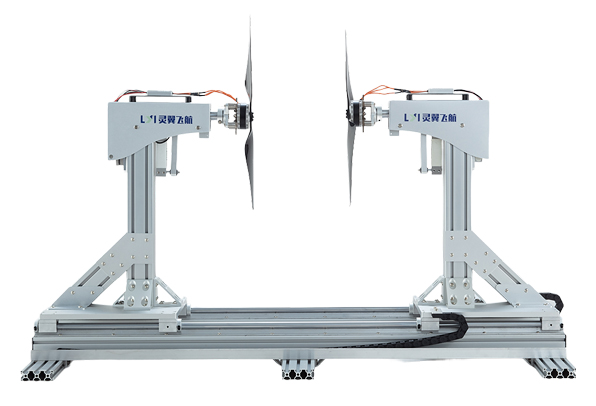
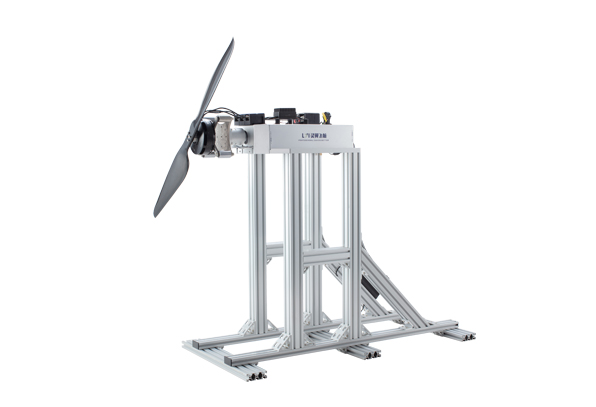
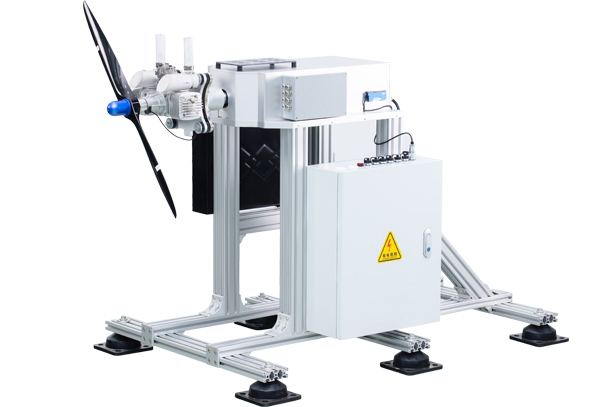
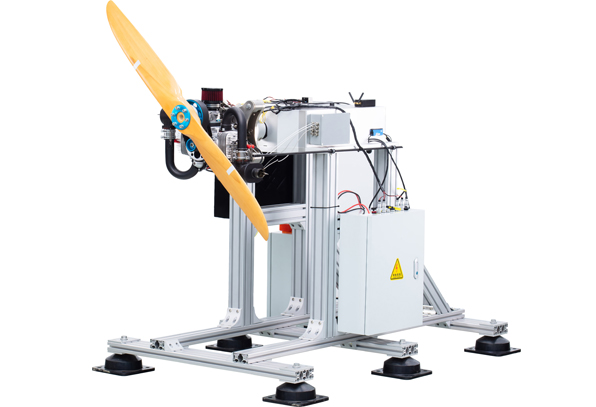
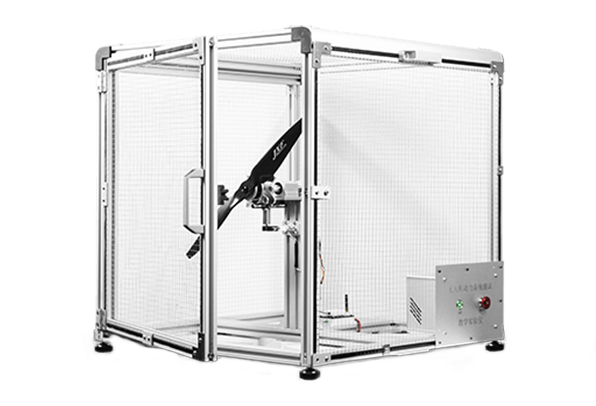
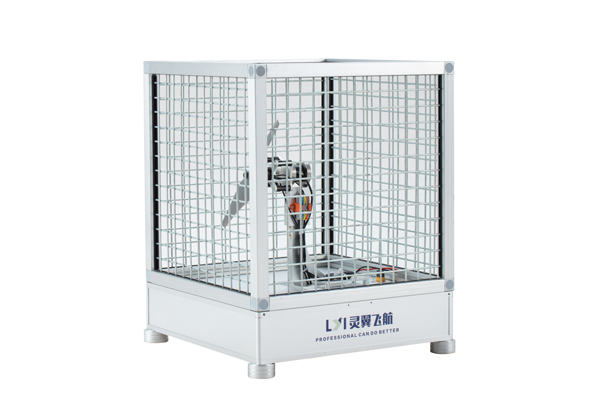
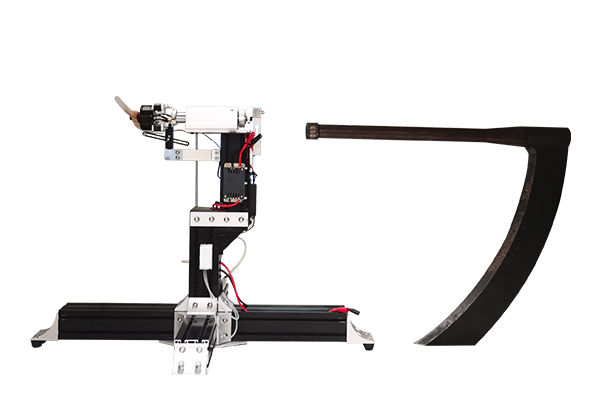
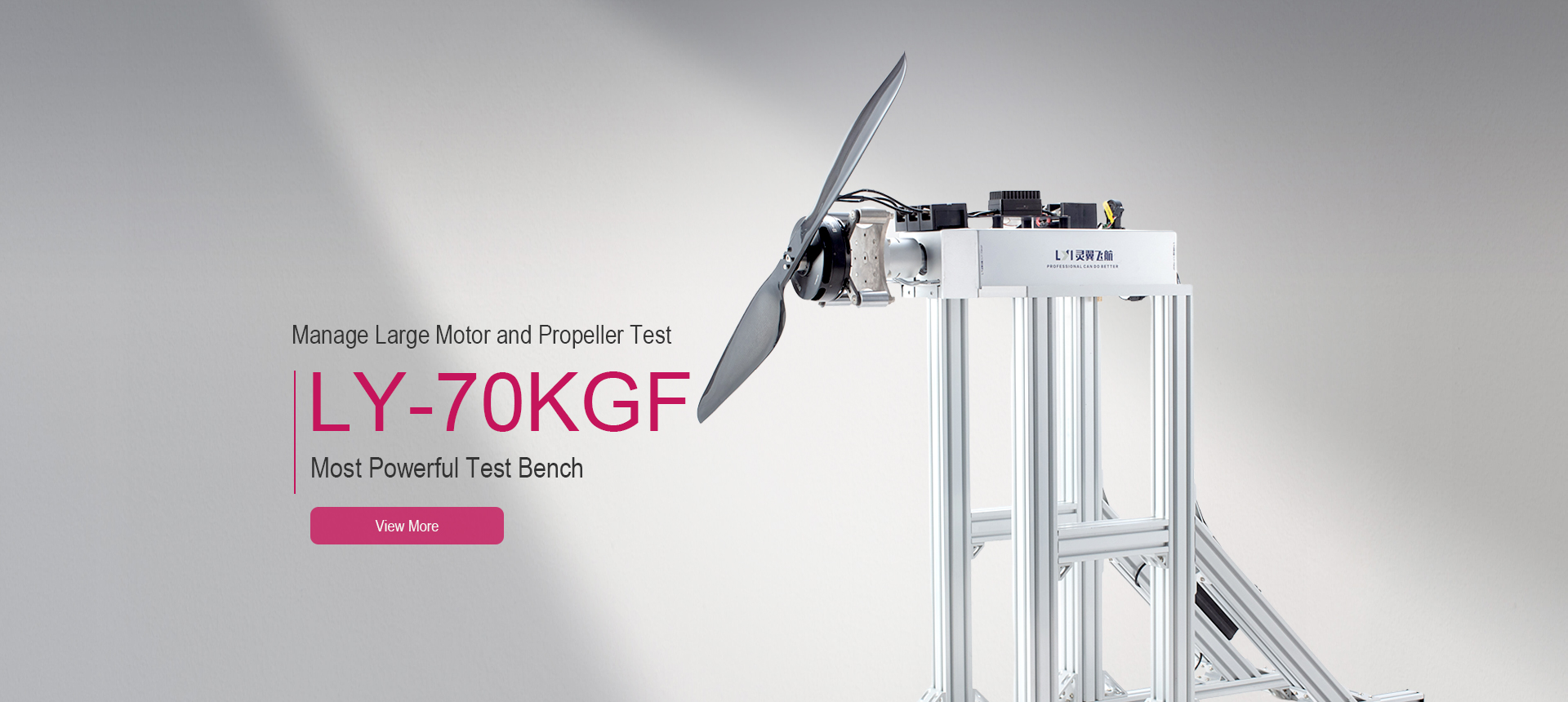
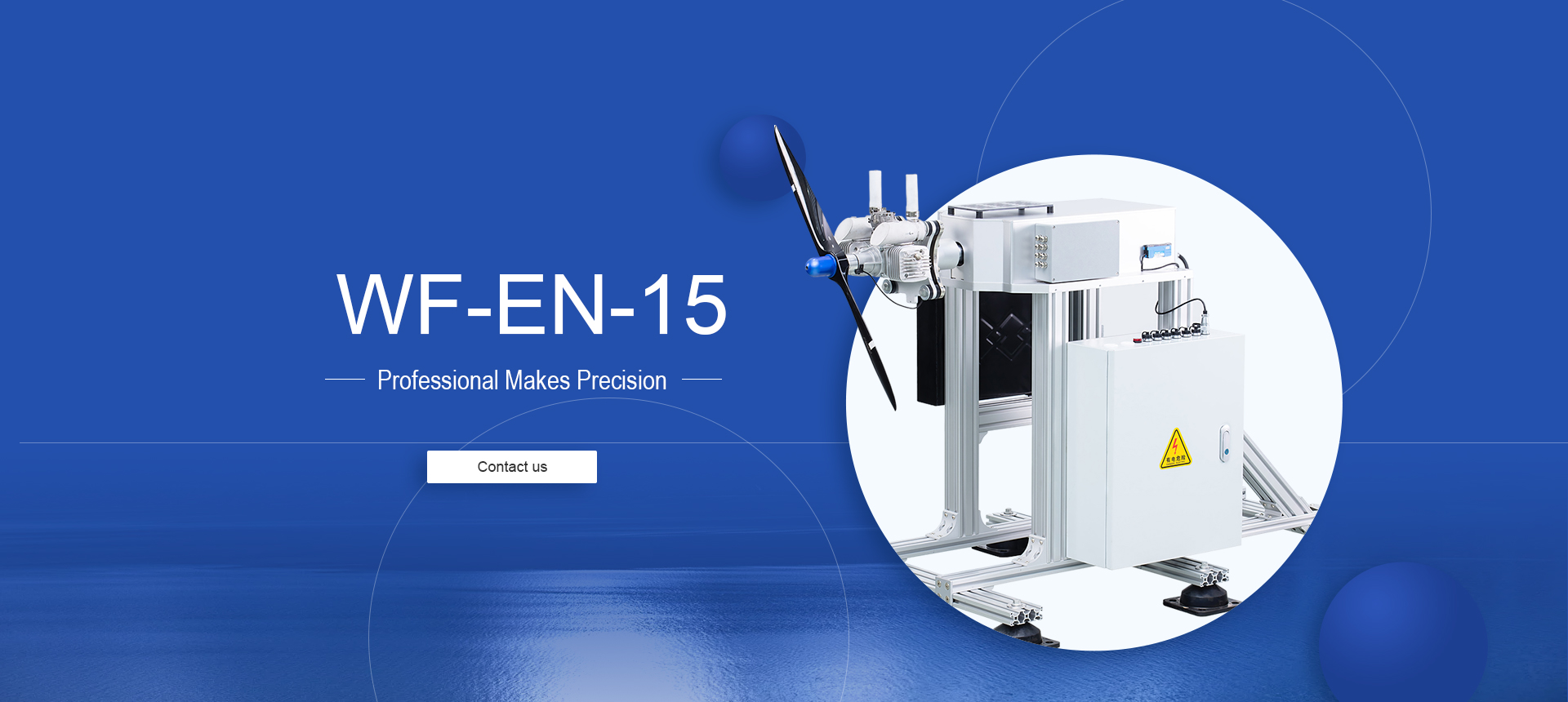
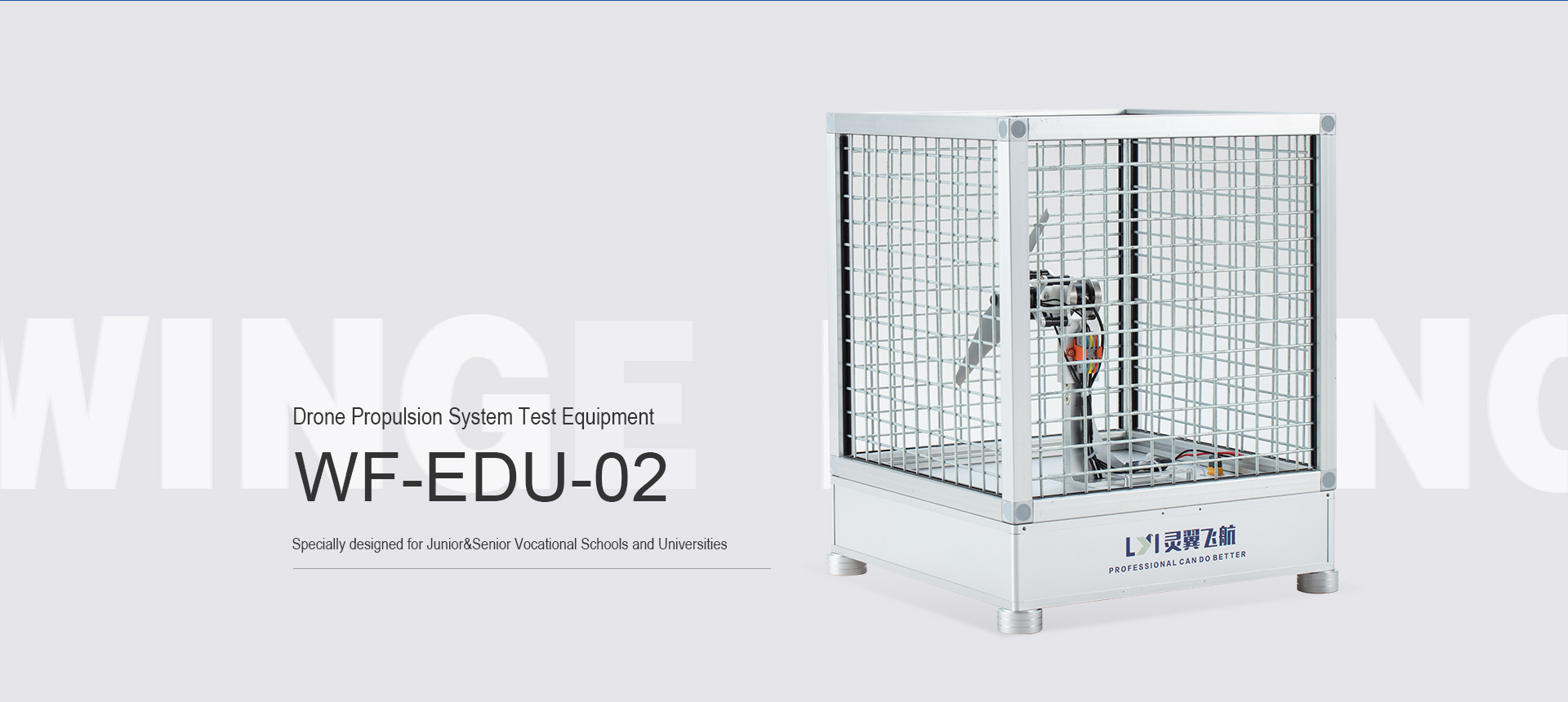
In conclusion, both traditional mechanical test fixtures and electric measurement modules have unique advantages and disadvantages. Understanding the specific needs of your testing environment is crucial for making the right choice. For reliable and robust testing solutions, consider integrating both technologies depending on your application. For instance, a Drone Motor Test Stand by Wing Flying can incorporate functionality from both categories to enhance testing efficiency.
E-mail: 18722591228@163.com
Add.: 7th Floor, B2#,Animation Building, Sino-Singapore Tianjin Eco-City