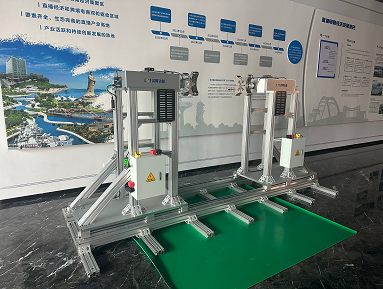

Apr. 21, 2026
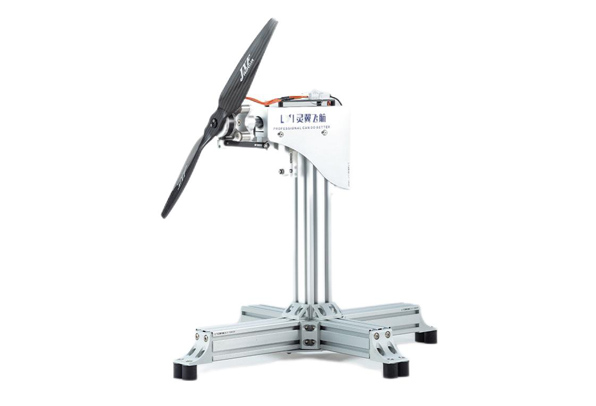
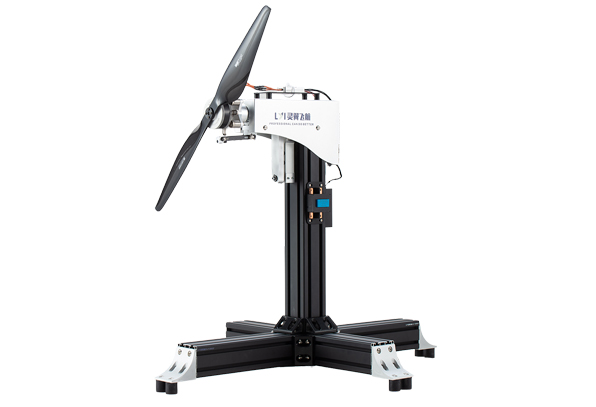
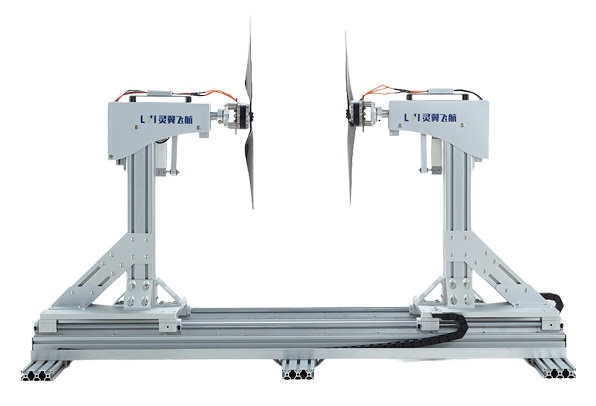
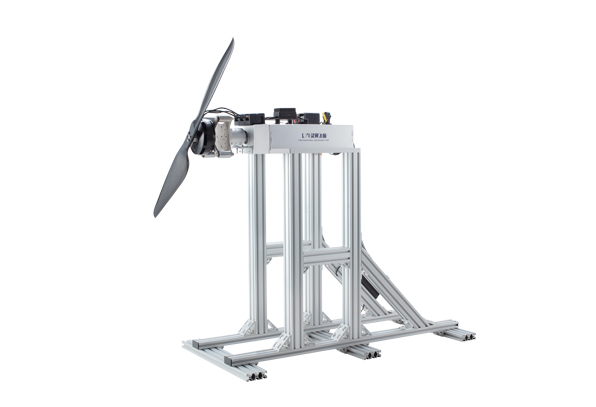
UAV engine (piston engine, turbojet engine, hybrid engine) test software is a dedicated measurement and control hub for UAV engine test bench systems designed for high rotational speed, small size, high power density, and transient condition-intensive scenarios. Different from traditional automotive/aero-engine test bench software, its core lies in accurately simulating flight conditions, millisecond-level closed-loop control, integrated collection of thrust/fuel consumption/vibration, and high-reliability safety protection. It supports UAV power system R&D, calibration, factory quality inspection and service life verification.
The core operating conditions of UAV engines (mainly two-stroke/four-stroke piston engines and micro turbojet engines) include hovering, climbing, cruising, rapid acceleration/deceleration, and variable altitude/variable load. The rotational speed often reaches 8,000–20,000 RPM, the transient response requirement is less than 10ms, the coupling between thrust and torque is strong, and the fuel consumption and thermal load are highly sensitive. The test software must achieve closed-loop replication of flight conditions, three closed-loop control of thrust/rotational speed/torque, high-frequency synchronous collection, ECU joint calibration, unattended long-term durability testing, and safety lockout under extreme conditions. It is a core tool for verifying the performance and reliability of UAV power systems.
Running on Windows, it provides visual operation, condition editing, data analysis and report generation, serving as the core operation terminal for testers. Its core functional modules include:
1. Visual Monitoring Panel
Real-time display of core engine parameters: rotational speed (adapted to the range of 8,000–20,000 RPM), thrust, torque, fuel consumption, exhaust temperature, vibration amplitude, oil pressure, etc. It supports multi-parameter split-screen comparison and highlight display of over-limit parameters.
· Test Plan Editor: Visual drag-and-drop operation and script writing are supported. It has built-in standard flight conditions such as hovering, point sampling, cruising, rapid acceleration/deceleration, throttle ramp variation and durability cycling, and allows importing customized throttle timings in CSV/table format.
· Real-time Monitoring Panel: It provides multi-channel curves (thrust, rotational speed, torque, temperature, fuel consumption, vibration), digital instruments, alarm pop-ups and status overview.
· Data Post-processing: Functions include generating universal characteristic curves, thrust characteristic curves and fuel consumption characteristic curves, creating MAP graphs, conducting data comparison, marking abnormal points, and performing data filtering and noise reduction.
· Reporting and Management: One-click generation of PDF/Word reports (including test conditions, parameters and qualification judgment), realization of project/engine model/batch traceability, and implementation of hierarchical user permission management.
FPGA and high - performance PLC are adopted to ensure that the sampling jitter is less than 0.1ms and no frame loss occurs, serving as the real - time heart of the software:
· Closed - loop Control: Speed closed - loop, torque closed - loop and thrust closed - loop (core functions), with three mode switching including constant speed / constant thrust / constant torque. The steady - state error is less than ±0.1% FS, and the transient following error is less than ±1%.
· Timing Control: Electric starting, ignition, throttle servo, cooling/lubrication, dynamometer/thrust stand linkage are implemented with strict timing interlock to prevent mis - starting and overspeed.
· Safety Interlock: Real - time monitoring of speed upper limit, cylinder temperature/exhaust temperature upper limit, vibration over - limit, low oil pressure/oil level and thrust overload, with hierarchical response of warning → load reduction → emergency shutdown (fuel cut - off, power cut - off, emergency stop) and millisecond - level response speed.
· ECU Linkage: Realize the integration of bench test and ECU parameter calibration, to optimize ignition, fuel injection and air - fuel ratio.
Adapt dedicated sensors and buses for unmanned aerial vehicle racks to ensure multi-channel synchronization:
Sensor access: thrust sensor, torque/speed sensor, cylinder temperature/exhaust temperature/intake temperature, oil pressure/air pressure, fuel consumption meter, vibration, airspeed sensor
Expansion interface: supports access to throttle servo, cooling system, ignition controller, and data acquisition card.
· Precise Thrust Control: Targeting the thrust characteristics of propellers/ducted fans, realize decoupling control of thrust-speed-throttle.
· Transient Response Test: Input step throttle, measure the response time, overshoot and settling time to evaluate the dynamic performance of the engine.
· Multi-channel Synchronous Acquisition: Simultaneously collect data of thrust, rotational speed, torque, temperature, pressure, fuel consumption, vibration and ECU parameters.
· Core Performance Calculation: Real-time output of thrust, power, specific fuel consumption (g/kWh), response time, etc., and automatically generate thrust-speed and fuel consumption-speed curves.
· Data Storage: Dual storage of raw data and calculation results (database + CSV), supporting long-duration endurance tests (hundreds of hours) with zero data loss and full traceability.
· Multi-level Safety Thresholds: Upper limits of rotational speed, cylinder temperature and exhaust temperature, vibration value, lower limit of oil pressure, and thrust overload, which trigger alarm/load reduction/shutdown in a hierarchical sequence.
· Fault Tracing: Record the fault moment, parameter snapshot and fault code, supporting fault reproduction and historical inquiry to avoid damage to the engine, test bench and propeller.
· Overspeed Prevention: One-click pause function.
· ECU Calibration Interface: Supports external ports and UAV-specific calibration tools, enabling real-time adjustments on the test bench.
· Virtual Bench/Model Integration: Implements a closed loop of simulation → bench verification → calibration optimization, reducing the number of physical engine tests.
· Long-duration Endurance Test: Supports 24×7 unattended operation, cyclically executes flight conditions, records thrust attenuation, fuel consumption increase and vibration changes, and evaluates the service life and reliability of the engine.
· Environmental Parameter Linkage: Connects to temperature, air pressure and humidity modules to simulate high-altitude, low-temperature/high-temperature environments, verifying engine performance under extreme working conditions.
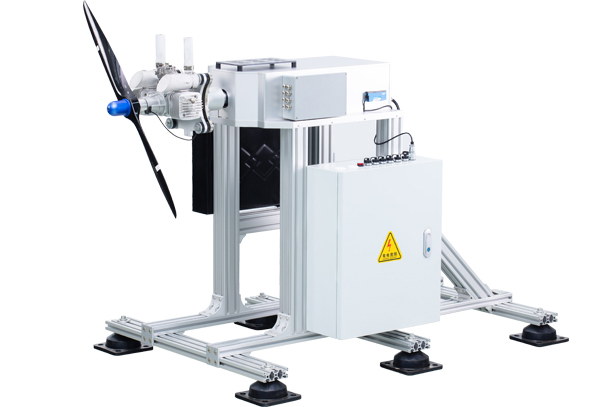
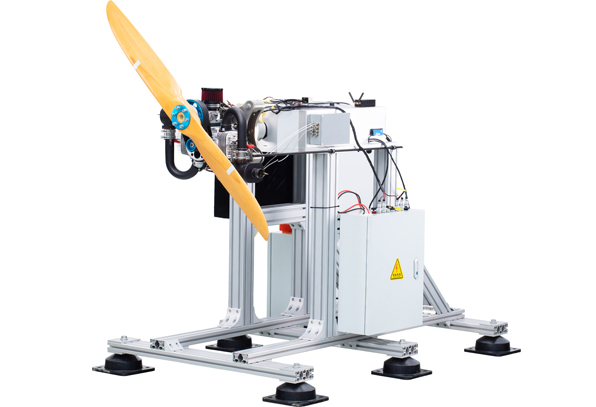
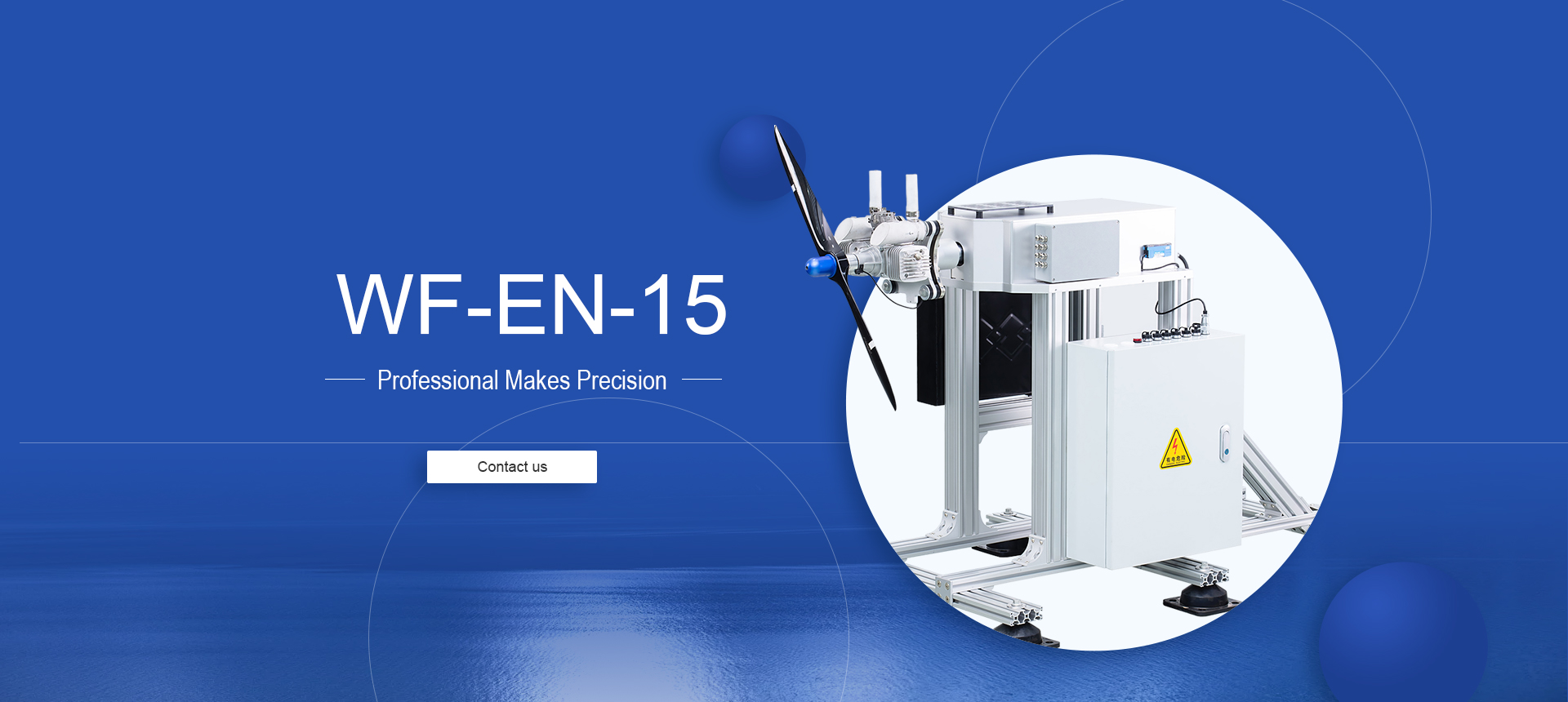
WING FLYING MET-Engine: Specifically developed for oil-powered UAVs (110–550cc). It integrates thrust, rotational speed and fuel consumption management, features a Chinese user interface, supports automated flight condition execution and remote monitoring, and is suitable for mass production quality inspection and R&D applications.
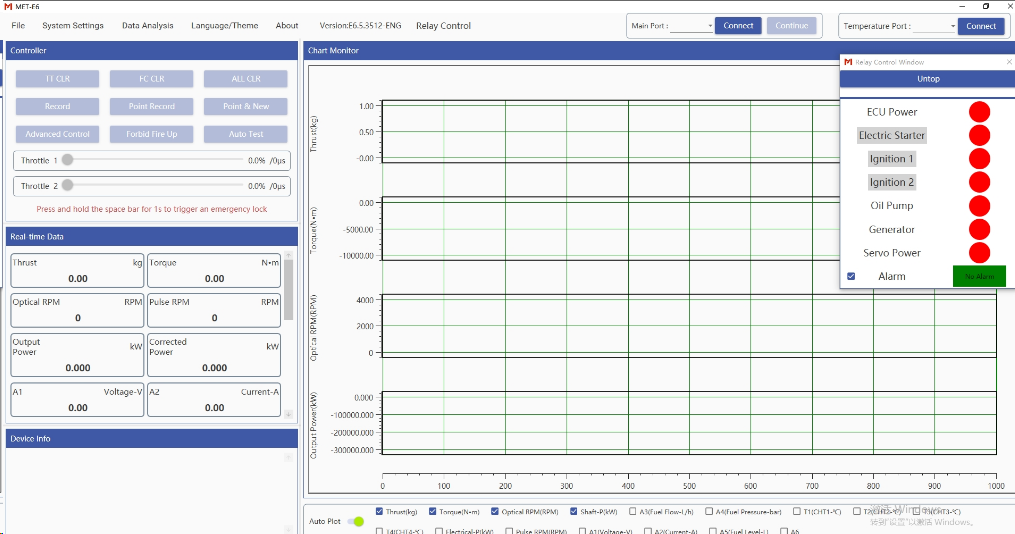
FIG-1 MET-E6 Software Main Interface
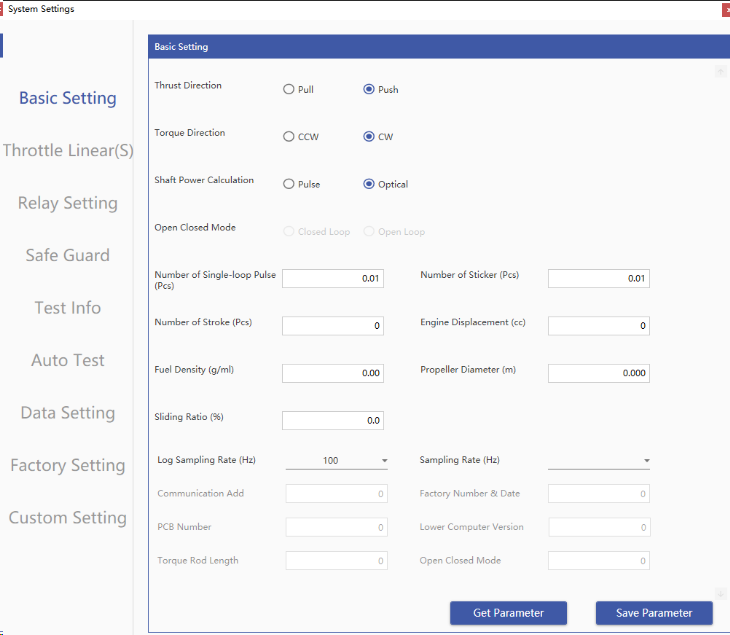
FIG-2 System Setting show
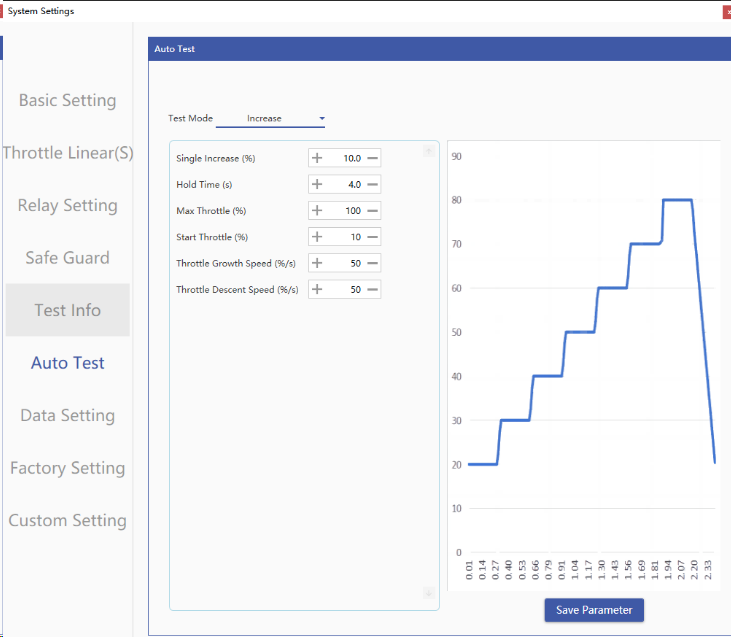
FIG-3 Seven Test Modes, Supporting Custom Test
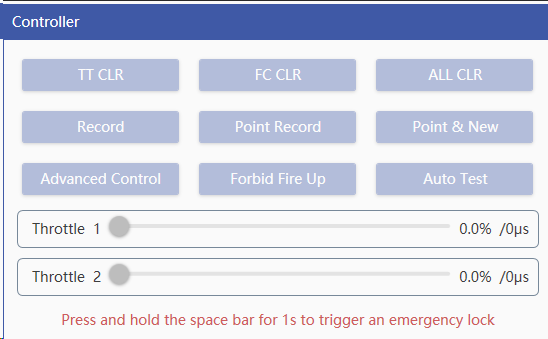
FIG-4 Controller Part, Point Testing Supported
For the Point & New Function, when clicked, the software automatically executes the point test and records the results in a separate CSV file, enabling precise evaluation of engine performance at specific operating conditions within a UAV engine test bench. This function is highly appreciated by UAV engine engineers for its ability to clearly reflect point performance of the propulsion system. If you would like to explore more features and see how WingFlying can support your UAV engine test bench solutions and propulsion system optimization, we would be glad to arrange a detailed discussion with you next week.

E-mail: 18722591228@163.com
Add.: 7th Floor, B2#,Animation Building, Sino-Singapore Tianjin Eco-City